When to Consider an Electromagnetic High-Gradient Approach
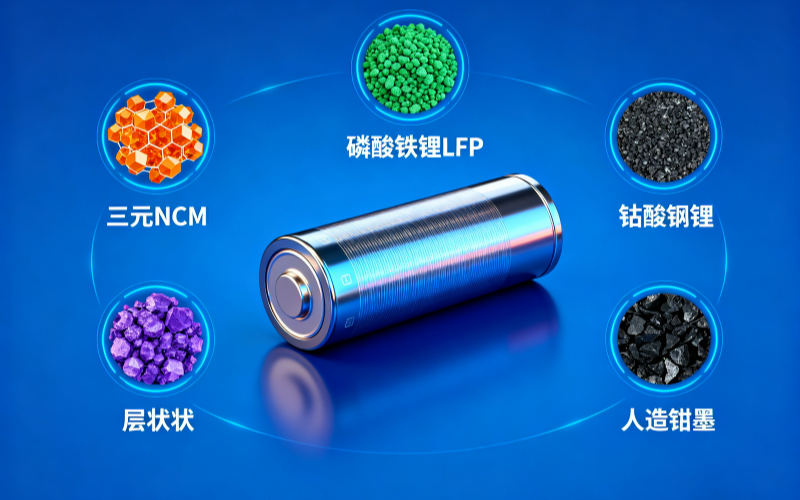
When the target is not merely larger iron filings and scale, but rather finer impurities with weaker magnetic responses or those that significantly affect the finished product’s color and performance, electromagnetic ferrous contaminant removal for slurry can be evaluated. Typical applications include ceramic glaze slurries, kaolin and quartz-based slurries, battery-material slurries, and certain fine-chemical dispersions.
Whether this approach is suitable cannot be determined solely by the industry. The mineral composition of impurities, particle size, magnetic response, slurry solids content, viscosity, and dispersion state all influence the outcome; sample testing should be conducted when necessary.
A Process Route Worth Evaluating
- Stabilize the Slurry State:Ensure agitation or circulation to prevent noticeable stratification or settling during sampling and processing.
- Control the Feed:Maintain relatively stable flow rate, pressure, and concentration to ensure repeatable residence and contact conditions within the magnetic media.
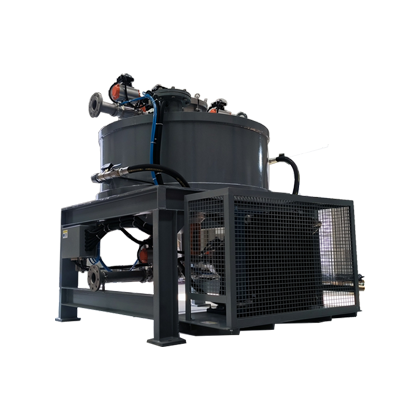
- High-Gradient Capture:Generate a high-gradient region through the excitation field and magnetic media to capture fine, magnetically responsive impurities.
- Rinse and Discharge:After stopping or switching the feed, demagnetize or alter the magnetic field configuration, and use water, gas, or other compatible media to clean the magnetic media.
- Recirculation or Graded Processing:Based on test results, decide whether to employ single-pass operation, multiple recirculations, or a combination of upstream and downstream stages.
Why Stable Feeding Is Crucial
A sudden increase in flow rate may shorten the effective contact time, while changes in solids content and viscosity can alter the flow distribution. Additionally, if the magnetic media becomes coated with impurities or large particles, its subsequent capture efficiency will diminish. Therefore, flow rate, batch duration, cleaning cycles, and discharge status should be recorded concurrently, rather than relying solely on excitation current or field strength.
Permanent Magnets and Electromagnets Can Be Used in Stages
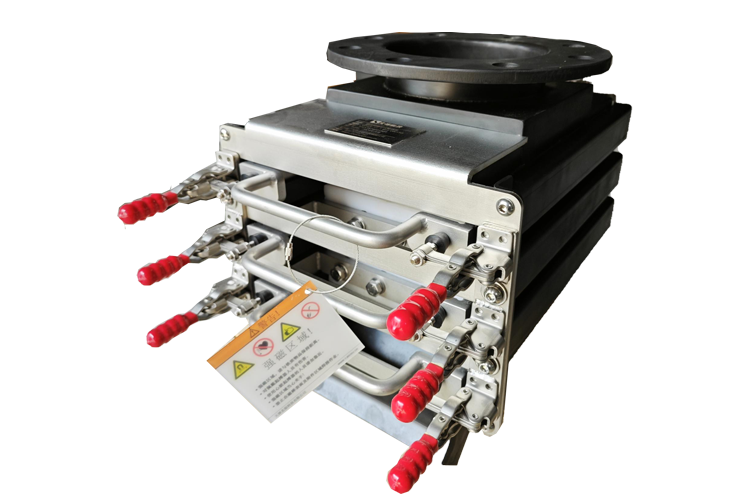
A front-stage permanent-magnet pipeline separator can first intercept easily removable impurities such as iron filings and scale, thereby protecting the downstream magnetic media; the electromagnetic high-gradient unit is then employed to further treat finer particles or those with weaker magnetic responses. For high-value slurries, return-flow, bypass, and material-recovery routes can also be configured to minimize the loss of qualified material during cleaning.
How Sample Testing Should Be Evaluated
Both parties should first agree on the representativeness of the sample, the processing temperature, the flow rate or recirculation time, the sampling locations, and the testing methods. Evaluation may include metrics such as the number of magnetic impurities, iron content, black spots, whiteness, or customer-specific process-related indicators; however, the surface field strength of the equipment must not be used as a direct substitute for final-product specifications.
Note:Publicly available information does not guarantee a fixed removal rate or attainment of a specific purity level. The final outcome depends on the sample, the target impurities, the processing conditions, and the testing methods.
Structural and Principle Diagrams
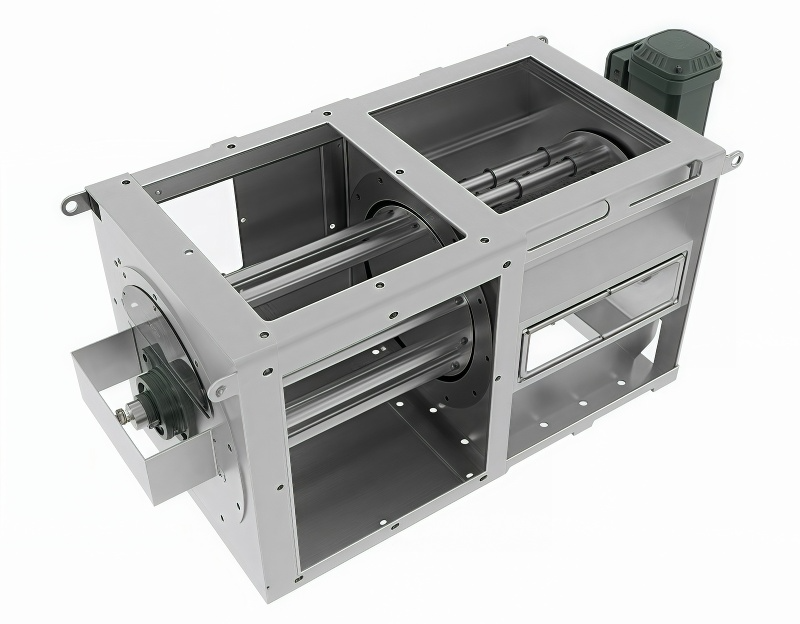
The following materials present the company’s existing equipment, internal structures, and operating principles, serving as references to help understand the applicable configurations, combinations, and installation options. The final configuration, however, must still be confirmed in light of the material properties, flow rate, installation space, and cleaning requirements.