Application Objectives
Bottle caps, iron pieces, steel wires, aluminum components, and other metallic inclusions may be present in waste glass or glass cullet. The sorting objectives could be to protect crushing and screening equipment, reduce the metal content in the glass product stream, or recover valuable metal fractions. Glass from different sources may vary significantly in color, particle size, moisture content, and impurity composition; therefore, the incoming material characteristics should be confirmed first.
Abrasion and particle size are primary considerations
Glass cullet continuously impacts and wears feed chutes, guide plates, conveyor belts, drum surfaces, and discharge points. Wear-resistant linings and replaceable parts may increase the distance between the target metals and the magnetic field or rotor; thus, the structural design must strike a balance among durability, maintainability, and separation efficiency.
Large glass fragments, the main particle size range, and fine powders exhibit different flow behaviors. Processing them separately after classification is usually easier to optimize than using a single set of parameters for the entire particle size spectrum. When the fine powder content is high, dust control, material buildup, and cleaning methods should also be taken into account.
Discussable Process Sequences
- Incoming material inspection and oversize control to prevent large metal objects from entering the crusher directly.
- Crushing, screening, and dust removal to obtain well-defined processing particle sizes.
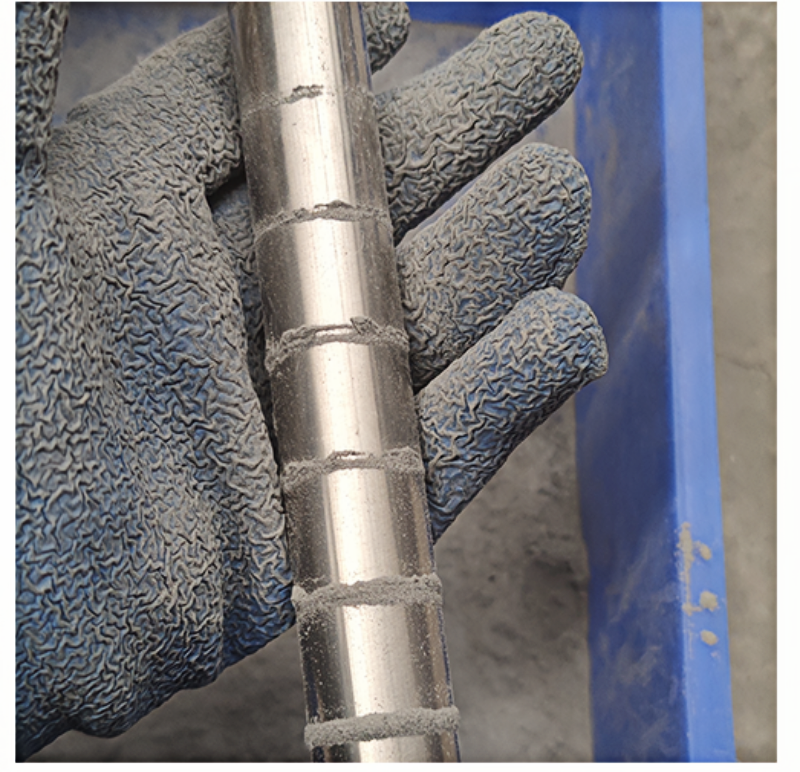
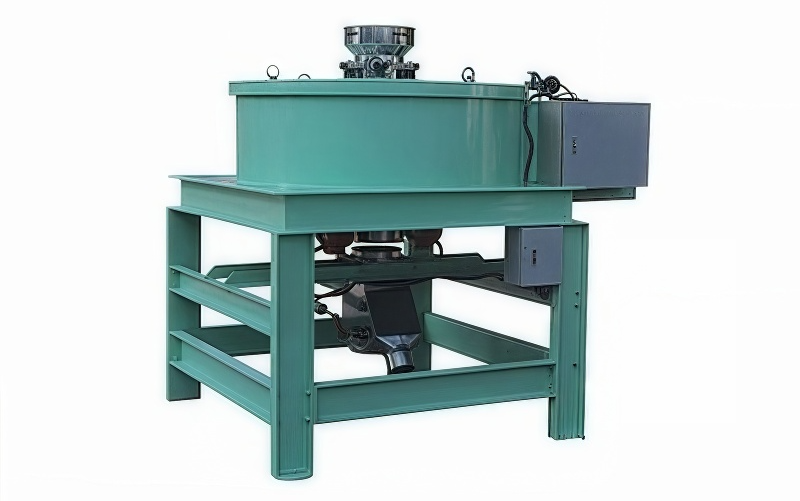
- Suspension magnets, magnetic head pulleys, or drum magnetic separators for removing ferromagnetic metals.
- Vibratory feeding and conveying to ensure more uniform distribution of glass material across the working width.
- Evaluate eddy current separation based on the particle size and shape of conductive metals such as aluminum.
- Inspect the entrainment levels in both the glass stream and the metal streams, adjusting theDiversionpoints or adding secondary sorting as needed.
Equipment Configuration
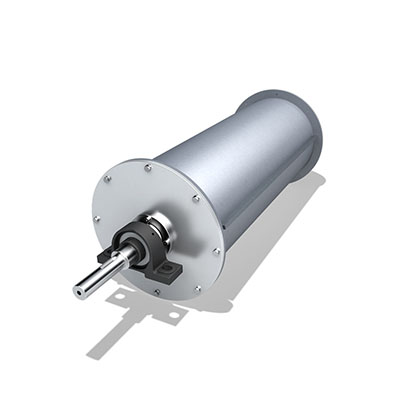
High-intensity magnetic drums and drum magnetic separators
Suitable for continuous pre-separation of ferromagnetic metals. Drum surface protection, feed thickness, belt speed, andDiversionplates must be determined in conjunction with the impact and abrasion characteristics of the glass. When metals are buried or encapsulated by glass, a thinner feed layer or repeated processing may be required.
Vibratory Feeders
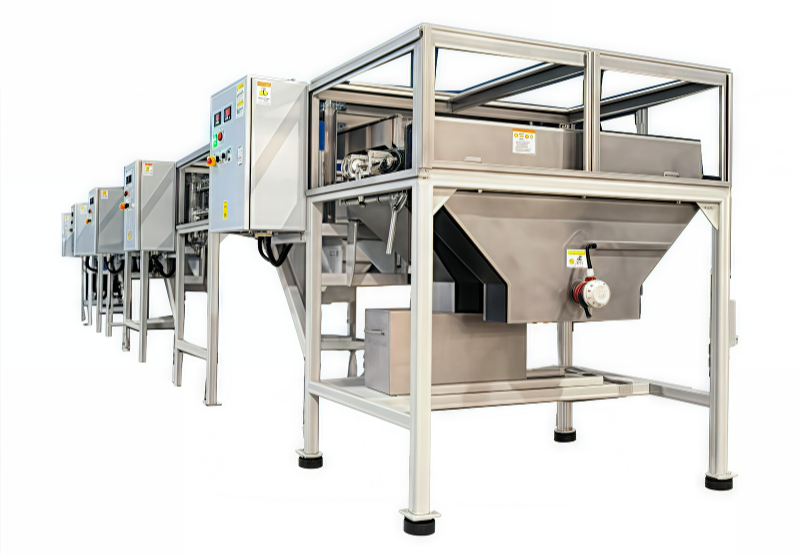
Feeders are used to control flow rate and lateral distribution. Hopper materials, wear-resistant linings, noise levels, foundations, and maintenance requirements should all be incorporated into the design; selection should not be based solely on rated throughput.
Eddy Current Separation
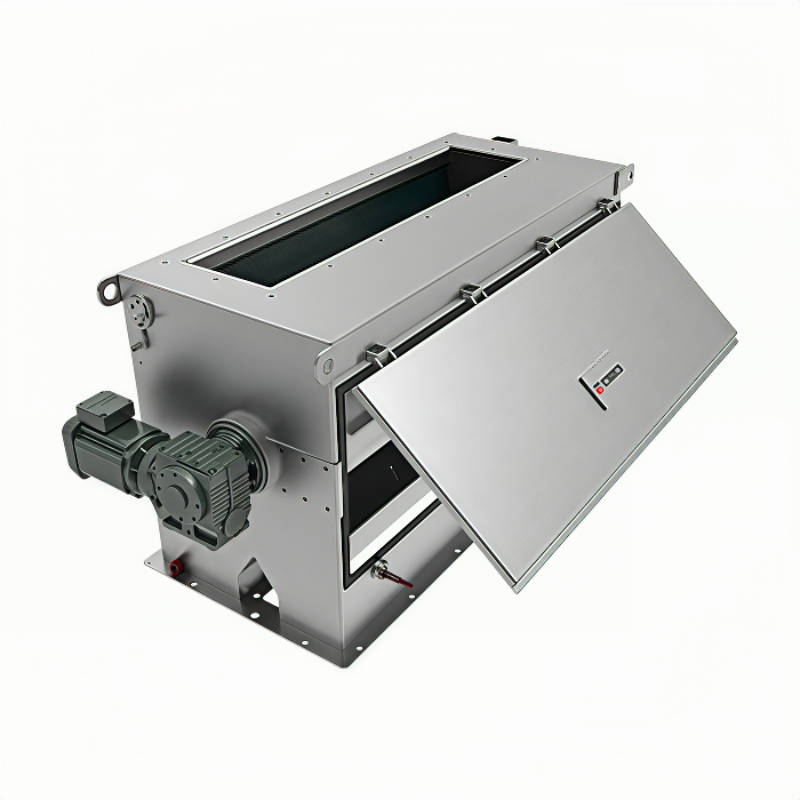
Can be used to evaluate conductive non-ferrous metals such as aluminum in the glass stream. Glass particle size, metal dimensions and shapes, moisture content, and overlap on the conveyor belt all affect trajectory;Diversionplate positions must be fine-tuned using sample material rather than set to a fixed value.
Sampling and Acceptance
Incoming glass may vary depending on collection channels and batches. It is recommended to take continuous samples at agreed intervals, recording separately the incoming material, the glass product stream, the ferromagnetic metal stream, and the non-ferrous metal stream. Evaluation should consider residual target metals, glass entrainment, throughput, and equipment operational stability.
Project Data Checklist
- Source of glass, ranges of color or composition, particle size distribution, and fine powder ratio.
- Hourly throughput, moisture content, bulk density, and existing screening process.
- Samples of iron, steel, aluminum, and other target metals.
- Acceptable glass loss, product stream specifications, and sampling procedures.
- Wear resistance, dust control, noise levels, safety protection, and maintenance requirements.
For high-purity or complex mixed-glass projects, it is advisable to conduct representative sample testing first, then determine the equipment configuration and scaling-up conditions.
Structural and Schematic Diagrams
The following documents provide information on the company’s existing equipment, internal structures, and operating principles, serving as references to help understand possible configurations, combinations, and installation options. The final configuration must still be confirmed in light of the material properties, flow rates, available space, and cleaning requirements.