Application Scope and Objectives
Plastic bottle flakes, shredded fragments, recycled pellets, and rubber granules may contain steel parts, iron filings, aluminum flakes, copper wires, fasteners, and wear debris from equipment. The project objectives could be either to protect shredders, pelletizers, and extruders, or to recover valuable metals, reduce metallic contamination in the recycled material, and enhance the stability of downstream processing.
This page differs in focus from the plastics article under “Granular and Bulk Materials”: here, the emphasis is on segregating distinct product streams from mixed recyclables, as well as balancing metal recovery with plastic loss.
Recommended Processing Sequence
- Inspect and remove oversized items, longWinding materials, and foreign objects that could damage crushing equipment.
- After shredding, screening, or air classification, identify the main particle size range and the distribution of light and heavy materials.
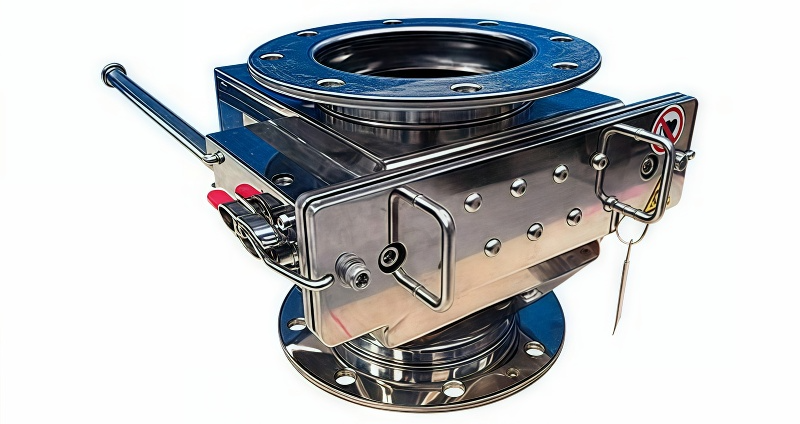
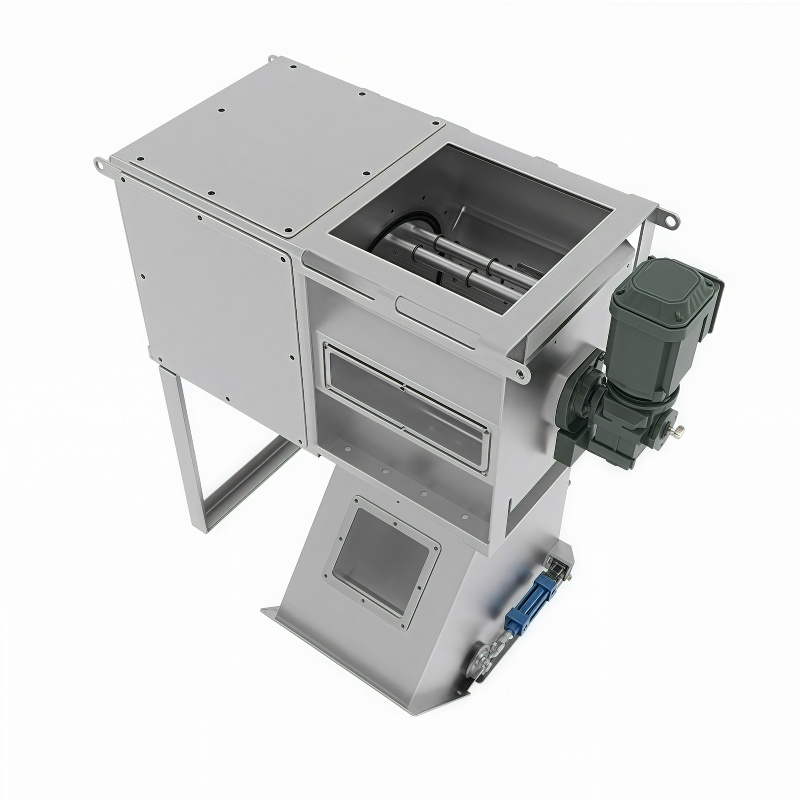
- Pre‑control ferromagnetic metals using magnetic grates, drum magnetic separators, or suspended magnets.
- Employ vibratory feeding or conveyor spreading to minimize overlapping of bottle flakes and thinslicematerials.
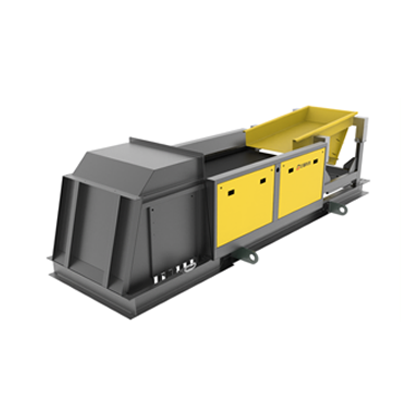
- Assess eddy current separation based on the particle size and shape of conductive metals such as aluminum and copper.
- Inspect both the metal and plastic product streams for contaminants separately, and adjustDiversionorRecirculationas needed.
Differences Between Regular Particles and ThinsliceMaterials
Regular particles typically exhibit relatively stable falling trajectories; PET bottle flakes, film fragments, and irregular shredded materials, however, tend to flip, drift, overlap, or be affected by static electricity. Even particles of the same nominal size do not necessarily behave identically, so feed rate, belt speed, andDiversionpoints must be confirmed based on the actual material.
Fine copper wires, aluminum foil, metallic layers in composite materials, and metals encased in plastic may behave differently from standalone metal particles; their separability should be evaluated using representative samples.
Separate Handling of Ferromagnetic and Non‑Ferrous Metals
Ferromagnetic Metals
Depending on the material condition, options include magnetic grates, drum magnetic separators, magnetic head pulleys, or suspended magnetic separators. Large steel pieces should be removed prior to fine sorting whenever possible, while fine iron filings may require improved material contact or thin layer feeding.
Conductive Metals Such as Aluminum and Copper
Eddy current separation uses alternating magnetic fields to induce different motion trajectories in conductive metals. Its suitability depends on the metal’s conductivity, size, shape, material layer, and matrix characteristics; “non‑ferrous metals” cannot be assumed to respond consistently across all particle sizes with the same settings.
End‑Of‑Line Detection
If the customer needs to identify metals that were not separated upstream, further discussion can focus on metal detection, alarm systems, machine shutdowns, orBypassdischarge. Detection capabilities, product impact, and minimum targetDimensionsshould be confirmed in alignment with the equipment and material.
Evaluating Product Streams
It is recommended to weigh or analyze the incoming material, the metal recovery stream, and the plastic product stream separately, documenting particle size, moisture content, feed rate, and equipment settings during testing. Simply counting the quantity of separated metals does not reveal whether significant amounts of plastic are being carried along, nor does it indicate how much target metal remains entrained in the plastic.
Materials Required from the Customer
- Types of plastic, bottle flake or pelletDimensions, bulk density, moisture content, and static electricitySituation.
- Samples of various metals present in the incoming material, along with theirDimensionsand approximateProportion。
- Existing cleaning, shredding, screening, air classification, and conveyingProcess。
- Target throughput, product stream requirements, and acceptableMaterialloss。
- RepresentativeMixingsample available for testing。
Based on this information, Beisu can help determine the optimal combination of ferromagneticPreseparation, stableFabric, eddy current separation, and end‑of‑line detection; final performance will depend on the confirmed sample and operating conditions.
Structures and Schematic Diagrams
The following materials detail the company’s existing equipment, internal structures, and operating principles, serving as a reference to understand the applicable configurations, combinations, and installation forms. The final configuration, however, must still be confirmed in light of the material, flow rate, installation space, and cleaning methods.