Application Scope
Waste wood, biomass, construction demolition debris, and renovation waste may contain nails, screws, steel wire, reinforcing bars, fasteners, and tool fragments. These items vary widely in size and shape, easily becoming entangled with wood pieces, lightweight materials, or aggregates, or getting buried within the material layer. Projects typically prioritize both protection of crushing equipment, ferrous contaminant removal, and the quality of subsequent non-metallic product streams.
Pre‑Crushing Protection
Before crushers, shredders, or comminution equipment, it is essential to first identify oversized objects, long reinforcing bars, sealed containers, and metals that may cause wrapping. Suspended magnetic separators can serve as a magnetic interception point at conveyor belts or transfer points, but they cannot replace manual inspection, pre‑screening, and hazardous material identification. When target ferrous objects are buried at the bottom of thick material layers, the installation location and material turning methods must be evaluated.
Continuous Separation After Crushing
After material is crushed, some metals are released, but additional fine iron filings, short steel wires, and irregular fragments may also be generated. Relatively stable feed can be established through screening, vibratory feeding, and belt spreading, after which magnetic head pulleys, drum magnetic separators, or suspended magnets can be considered for continuous ferrous recovery.
- For larger ferrous objects, the focus should be on maximizing the magnetic field’s reach and ensuring safe discharge.
- Fine iron filings require minimizing shielding by the material layer and increasing the likelihood of contact with the magnetic field.
- Long metal strips and steel wires must be prevented from wrapping around drums, belts, and sorting structures.
- Moist wood chips and lightweight materials may adhere or drift, necessitating considerations for cleaning and dust control.
Selection Among Permanent Magnets, Electromagnets, and Magnetic Head Pulleys
Suspended Permanent Magnet Magnetic Separator
Suitable for applications requiring a continuous magnetic field without the use of an excitation power supply. The presence of magnetic impurities, installation height, and cleaning frequency will determine whether a self‑unloading mechanism is necessary.
Suspended Electromagnetic Magnetic Separator
Electromagnetic solutions can be considered for deeper material layers, greater working distances, or specific control requirements, while confirming power supply, heat dissipation, duty cycle, protection, and maintenance conditions.
Magnetic Head Pulley
Creates continuous sorting at the head of the conveyor belt, ideal for relatively stable material flows after crushing. It is necessary to verify the belt structure, material ejection trajectory, sorting plates, and metal collection space.
Non‑Ferrous Metals and Complex Waste
Wood and construction demolition waste may also contain aluminum profiles, copper wires, and other non‑ferrous metals. After completing preliminary ferrous separation and achieving an appropriate particle size, eddy current or metal detection processes can be further evaluated. However, mixed feeds containing large reinforcing bars, wet sticky materials, and long cables should not be directly fed into high‑speed sorting equipment.
Safety and Environmental Conditions
Projects must account for dust, combustible materials, ignition sources, noise, vibration, and protection of conveyor belts and rotating components. Suspension, fall prevention, and maintenance isolation for magnetic equipment must be incorporated into site design. Construction demolition waste may also contain unidentified hazardous materials or non‑metallic contaminants—issues that magnetic separators alone cannot resolve.
Data Required
- Source and compositional range of wood, biomass, or construction demolition waste.
- Particle size before and after crushing, maximum lump size, bulk density, moisture content, and flow rate.
- Samples of nails, reinforcing bars, steel wire, and other target metals.
- Conveyor belt width, belt speed, material layer thickness, installation height, and site photographs.
- Protection requirements for crushers, screens, and downstream equipment.
Based on this information, Beisu can assist in determining the appropriate combination of pre‑crushing interception, post‑crushing continuous magnetic separation, and subsequent detection; complex mixed materials should be progressively confirmed through on‑site surveys and sample verification.
Structures and Schematic Diagrams
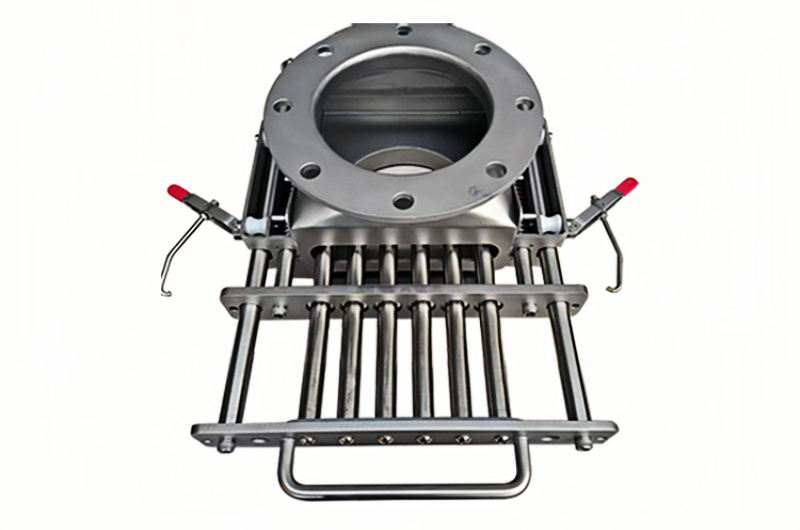
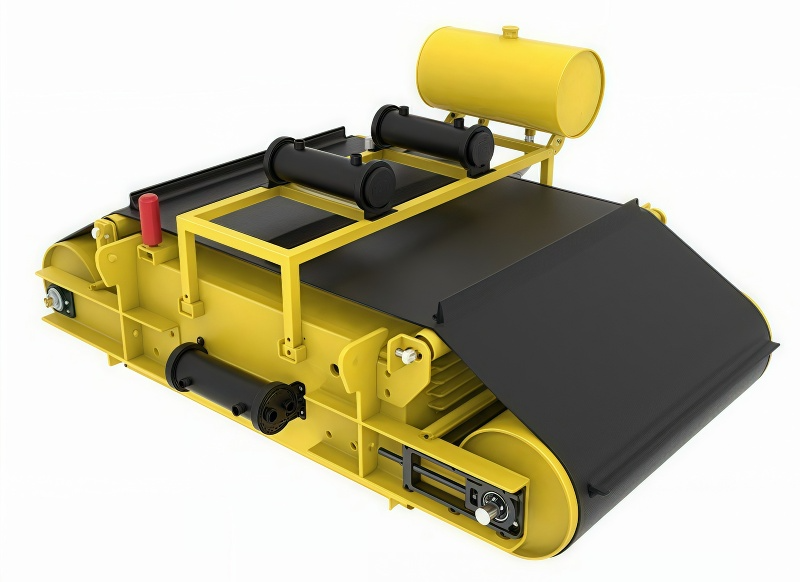
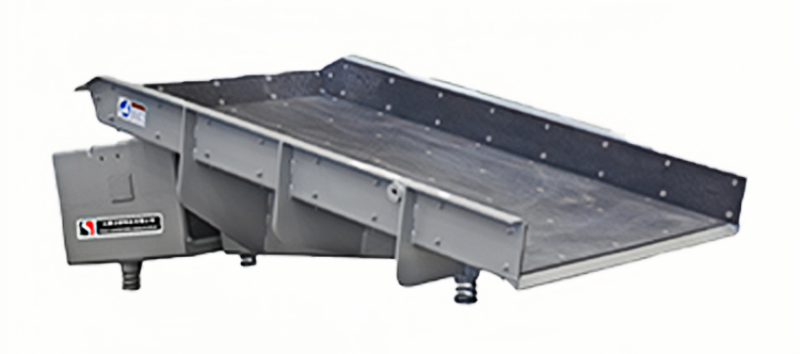
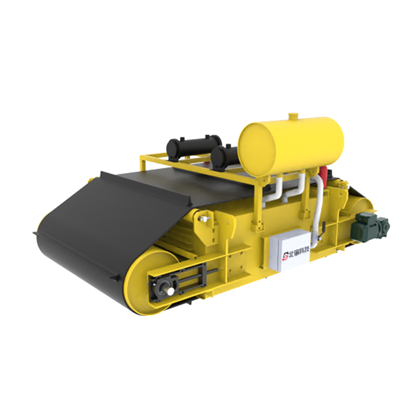
The following are the company’s existing equipment, internal structures, and operating principle documentation, intended to aid in understanding the applicable configurations, combinations, and installation methods. The final configuration must still be confirmed in light of the material characteristics, flow rates, available installation space, and cleaning requirements.