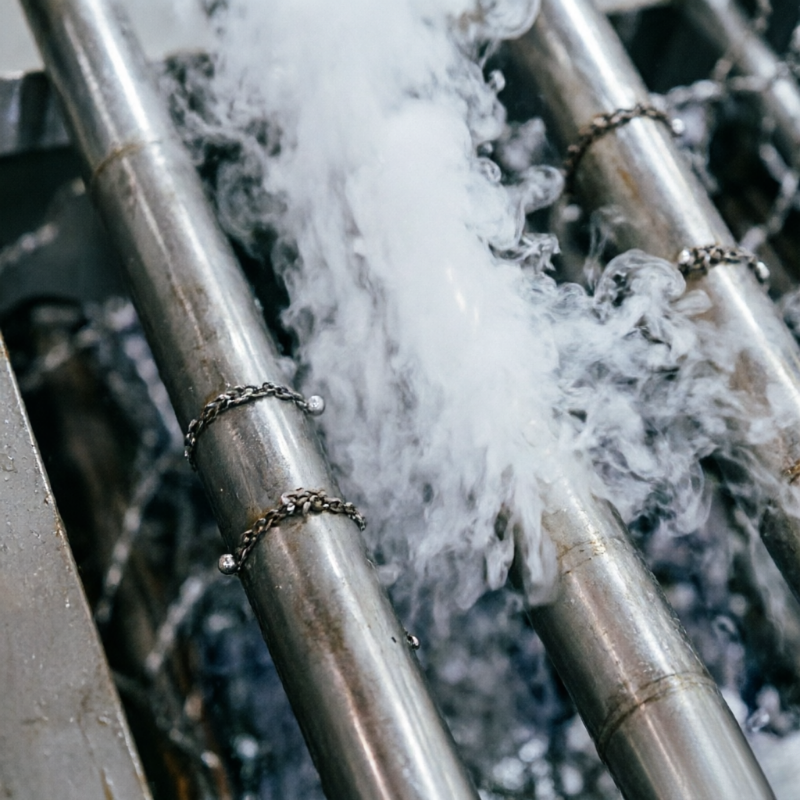
Powders that are easily hygroscopic, contain oils, or have irregular particle shapes may bridge between the magnetic rods when passing through a static magnetic grate. A rotary magnetic separator keeps the magnetic rod assembly moving at low speed, continuously changing the contact points, thereby mitigating some bridging issues while removing ferrous contaminants.
Suitable Operating Conditions
The material still retains a certain degree of flowability, but tends to form localized accumulations at the static magnetic rods; the target contaminants are predominantly fine ferromagnetic particles; production allows for the involvement of motors and transmission components, and on-site maintenance access is available.
What It Cannot Address
Severely dampened agglomerates, sticky pastes, large foreign objects, or overall arching within the hopper are typically not resolved simply by adding rotation. In such cases, drying, de-agglomeration, hopper geometry adjustments, or forced feeding should be addressed first.
Rotational Speed, Torque, and Magnetic Rod Spacing
Excessive rotational speed may exacerbate wear, shear, or dust generation, while too low a speed results in insufficient agitation. The drive torque must accommodate the material resistance during startup and include overload protection. The spacing between the magnetic rods should still allow passage of the largest agglomerates and should not rely on rotation to force them through.
Sealing and Cleaning
Shaft seals should be compatible with dust, temperature, and hygiene requirements. Prior to cleaning, shutdown and lockout–tagout procedures must be implemented; inspect the magnetic rods, scraper sleeves, bearings, and seals for material buildup or wear.
Information Recommended for Preparation Before Quotation or Sample Testing
- Powder flowability, moisture content, and agglomeration size
- Throughput and continuous operation time
- Allowable shear, breakage, and temperature rise
- Dust control, explosion-proof requirements, cleaning protocols, and interlock conditions
Note:This document is intended to summarize common engineering considerations and does not replace technical confirmation tailored to specific materials, throughput, interfaces, safety, and cleaning requirements.
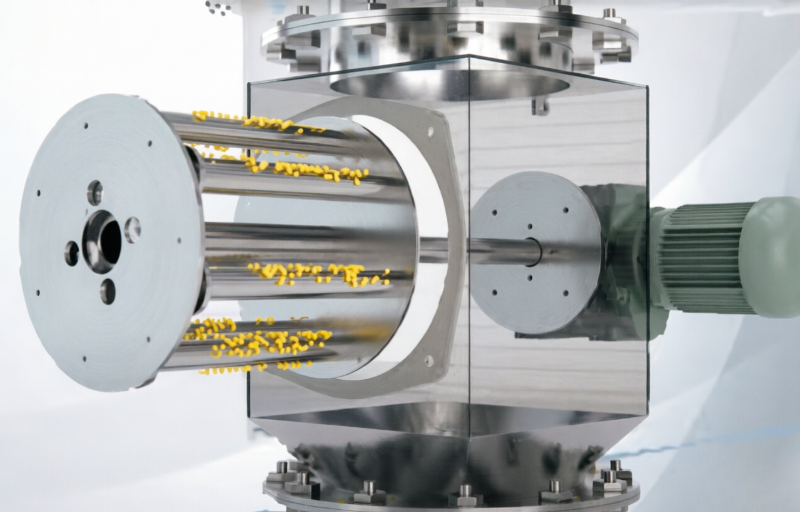
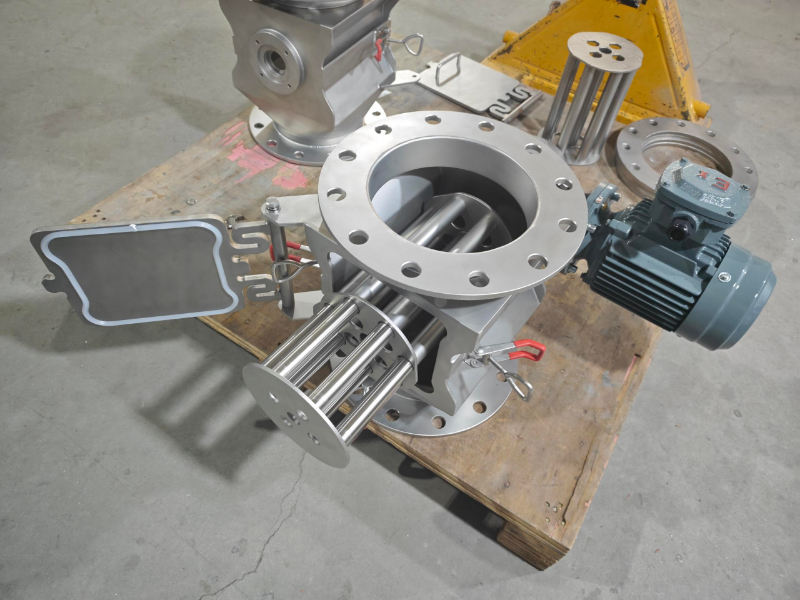
Structure and Principle Diagrams
The following are the company’s accumulated internal structural, component, and operational principle data, used to aid in understanding the technical points presented herein. Actual structure and parameters shall be governed by project drawings, sample testing, and selection confirmation results.
No comments yet. You are welcome to share your thoughts.