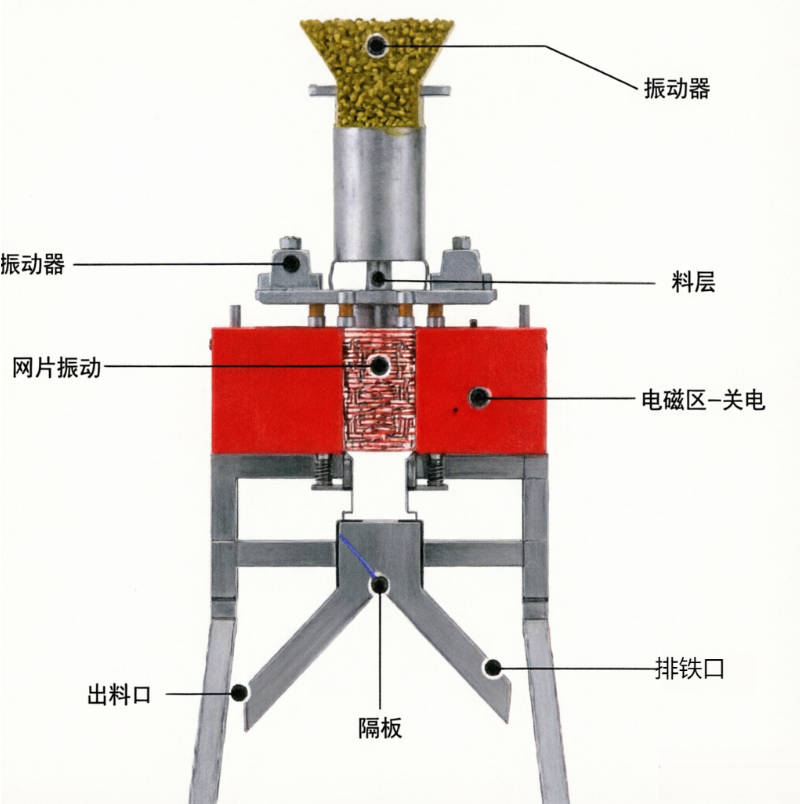
For quartz, kaolin, ceramic powders, and certain fine particulates, target impurities may be small in size and exhibit weak magnetic responses. Electromagnetic high-gradient equipment must operate in conjunction with screening, drying, deagglomeration, and stable feeding; not all challenges can be addressed solely by the magnetic field.
Uniform thin-layer feeding is a prerequisite.
Instantaneous material accumulation can cause some particles to move away from the effective magnetic zone and lead to localized overload of the magnetic media. Vibratory feeders, hoppers, and valves should deliver a steady flow, and material distribution across the equipment’s width must also be uniform.
Moisture and Agglomeration
When powders become damp, agglomerates form, trapping fine impurities and reducing flowability. Test samples should reflect the moisture content of actual production; where drying or deagglomeration is required, these steps should be evaluated as an integral part of the overall process.
Single-Stage or Multi-Stage
Single-stage units are suitable for pretreatment or for achieving moderate control targets; higher purity levels often necessitate particle-size classification, multiple magnetic zones, or repeated processing. In multi-stage flows, yield should be monitored concurrently to avoid excessive loss of qualified product while pursuing impurity reduction.
Cleaning and Safety
In fine-powder environments, attention must be paid to sealing, dust collection, electrostatic grounding, and any applicable explosion‑proof requirements. The cleaning cycle for the magnetic media is determined by the contamination load, and after cleaning, residual deposits and reset conditions should be inspected.
Information Recommended for Preparation Before Inquiries or Sample Testing
- Powder particle size, moisture content, bulk density, and flowability
- Target impurities and product quality specifications
- Hourly throughput and feed‑rate variability
- Dust management, explosion‑proof requirements, cleaning protocols, and sample‑testing criteria
Note:This document serves to organize common engineering considerations and does not replace technical confirmation tailored to specific materials, throughput, interface requirements, safety, and cleaning conditions.
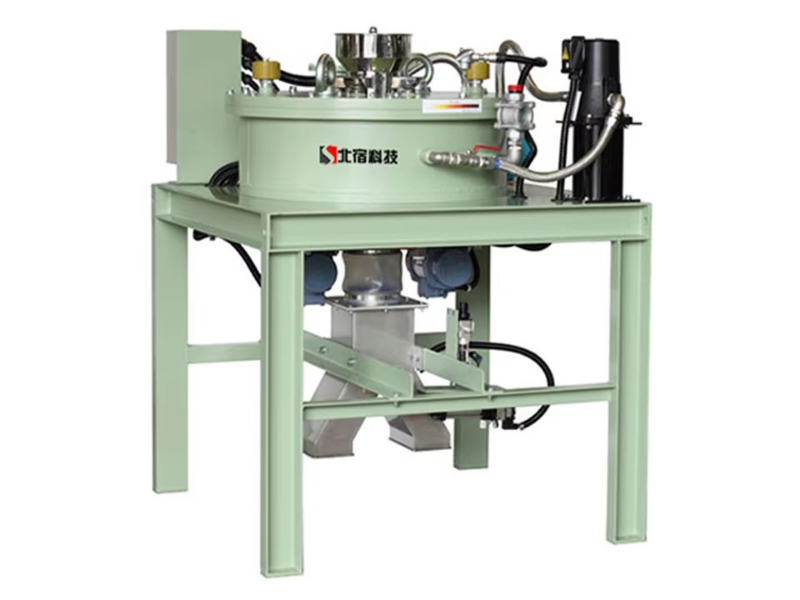
Structure and Principle Diagrams
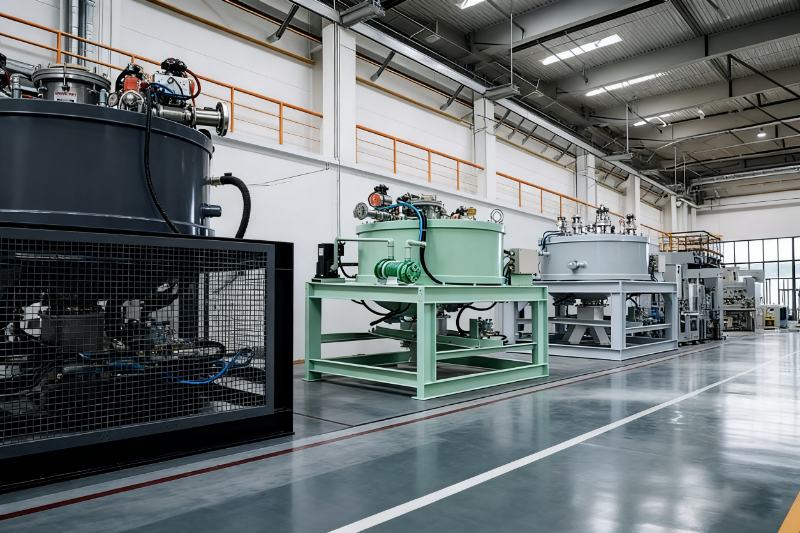
The following materials present the company’s accumulated data on internal structures, components, and operating principles, intended to aid in understanding the technical points discussed herein. Actual structures and parameters shall be governed by project drawings, sample‑testing results, and selection‑confirmation outcomes.
No comments yet. You are welcome to share your thoughts.