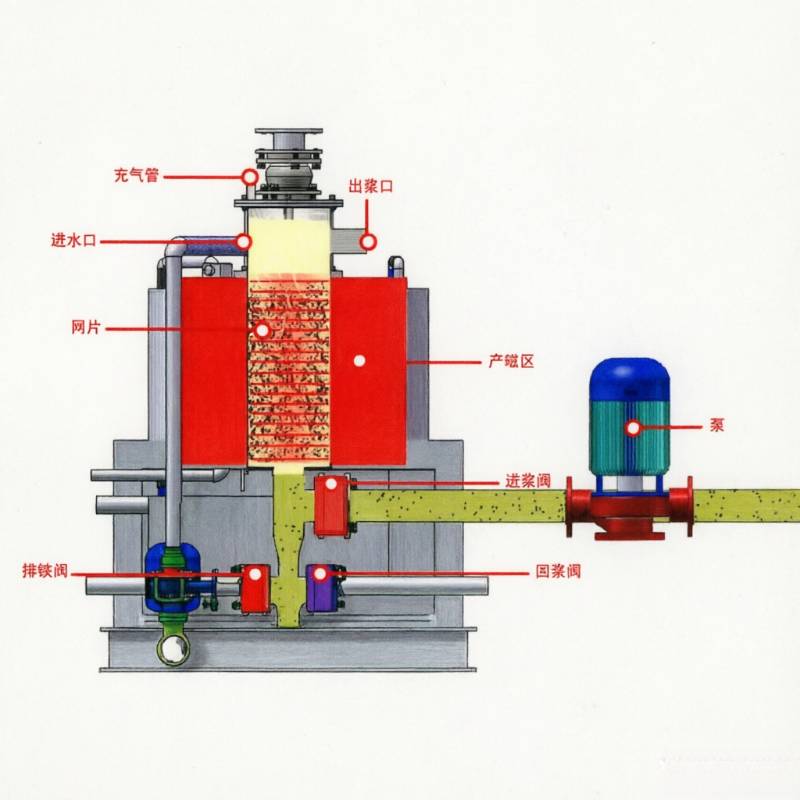
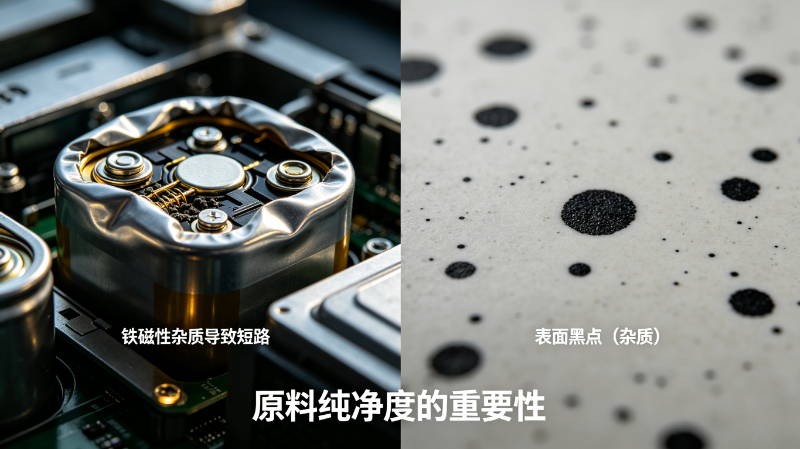
Fine iron-containing particles in ceramic, mineral, and fine chemical slurries often require high-gradient magnetic media to provide localized magnetic field gradients. The stable operation of the equipment depends not only on the excitation intensity but also on whether the slurry can pass uniformly through the magnetic media and be cleaned within an appropriate cycle.
First, maintain slurry dispersion
Agglomerates can encapsulate target impurities and clog the magnetic media. Before testing, record the solids content, particle size, viscosity, temperature, dispersant type, and stirring conditions; if necessary, install screening or pre-filtration to prevent large particles from entering the fine magnetic media.
Flow rate and residence time
Increasing the flow rate boosts processing capacity, but it may also shorten the interaction time, raise the pressure drop, and wash away captured particles. Trial runs should be conducted to strike a balance among throughput, impurity removal, and pressure loss.
Magnetic media and cleaning
The shape and packing density of the magnetic media determine the local gradient and flow paths. As contaminants accumulate, both the pressure drop and the effective capture area change; therefore, demagnetization, rinsing, and discharge procedures should be established based on the inlet–outlet pressure differential, operating time, or batch volume.
Establish the process using test results
Compare key impurity indicators for the raw material, single-pass treatment, and multi-cycle operations, while recording throughput, water consumption, cleaning time, and material losses. If only visual appearance improves without a consistent mass balance, scale-up cannot be justified.
Information recommended for preparation before requesting a quote or conducting a trial run
- Slurry composition, solids content, viscosity, temperature, and particle size
- Target impurities and test data before and after treatment
- Normal flow rate, batch size, and allowable pressure drop
- Media cleaning, discharge conditions, and automation requirements
Note:This document is intended to organize common engineering considerations and does not replace technical confirmation tailored to specific materials, production capacity, interfaces, safety, and cleaning requirements.
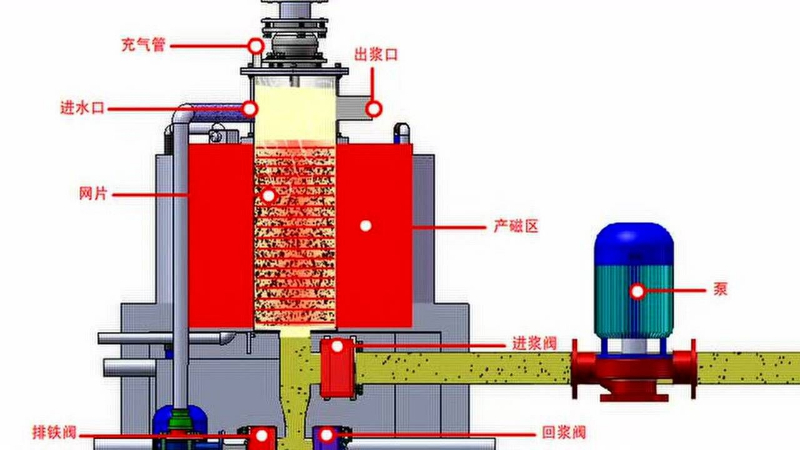
Structure and principle diagrams
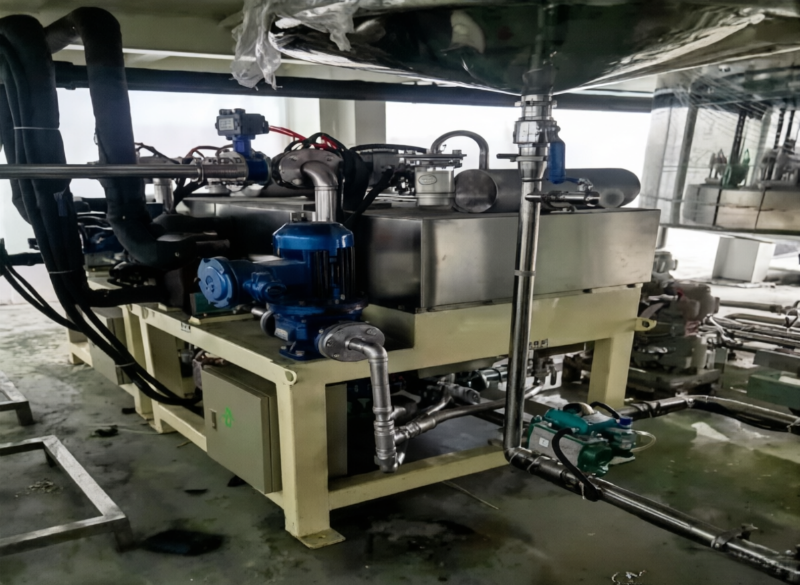
The following are the company’s compiled materials on equipment internal structures, components, and operating principles, designed to aid in understanding the technical points discussed herein. Actual structures and parameters shall be subject to project drawings, sample tests, and selection confirmation results.
No comments yet. You are welcome to share your thoughts.