
Roller-type dry magnetic separation is commonly used for fine-grained minerals, quartz, ceramic raw materials, or other dry-process applications requiring the separation of weakly magnetic components. The results are highly sensitive to the sample conditions and feeding method; therefore, repeatable test runs are typically required before formal equipment selection.
The sample must be representative
Sampling only from the surface layer of the production line or from a single batch may underestimate variations in particle size, moisture content, and impurities. The sample should cover the normal operating range, and the sampling location, batch number, total quantity, particle size distribution, and initial target-component content must be documented.
Control particle size and moisture first
Particles of different size fractions exhibit distinct trajectories, magnetic responses, and entrainment behaviors. In wide-size mixtures, fine particles tend to adhere to the surfaces of coarse grains; excessive moisture can lead to agglomeration and uneven material layers. Where necessary, screening, drying, or deagglomeration should be performed in advance.
Ensure stable, thin-layer feeding
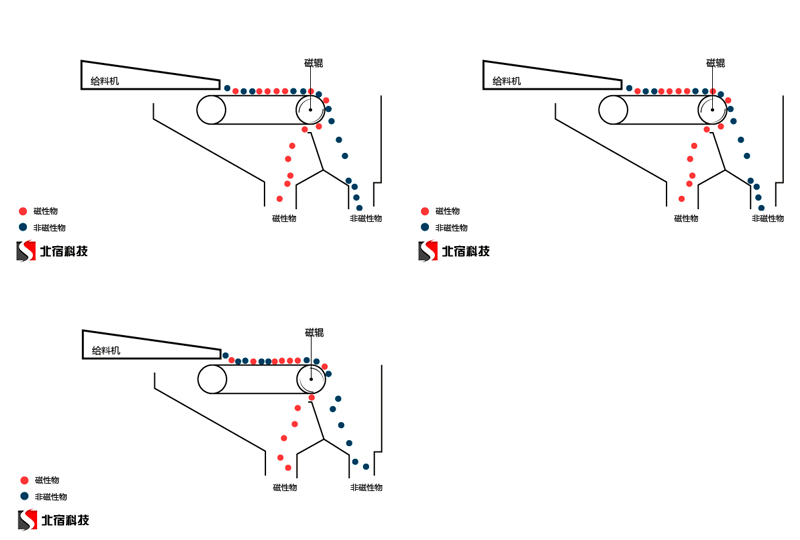
Roller-type separation requires that particles enter the effective magnetic zone as a thin, uniform layer. Feeding rate, bed width, roller speed, working gap, and deflector position should be recorded, with only one key parameter adjusted at a time.
How to evaluate the results
Weigh the magnetic, intermediate, and non-magnetic product streams separately, analyze the target-component or critical-impurity content, and calculate mass balance, recovery rate, and product purity. If a multi-stage process is required, retain data from each stage—do not report solely on the appearance of the final sample.
Recommended information to prepare before requesting a quote or conducting a test run
- Representative samples along with safety data sheets
- Particle size distribution, moisture content, and bulk density
- Test results for the raw material and the target product
- Planned throughput and permissible pre-processing steps
Note:This document is intended to summarize common engineering considerations and does not replace technical confirmation tailored to specific materials, capacity requirements, interface constraints, safety protocols, and cleaning conditions.
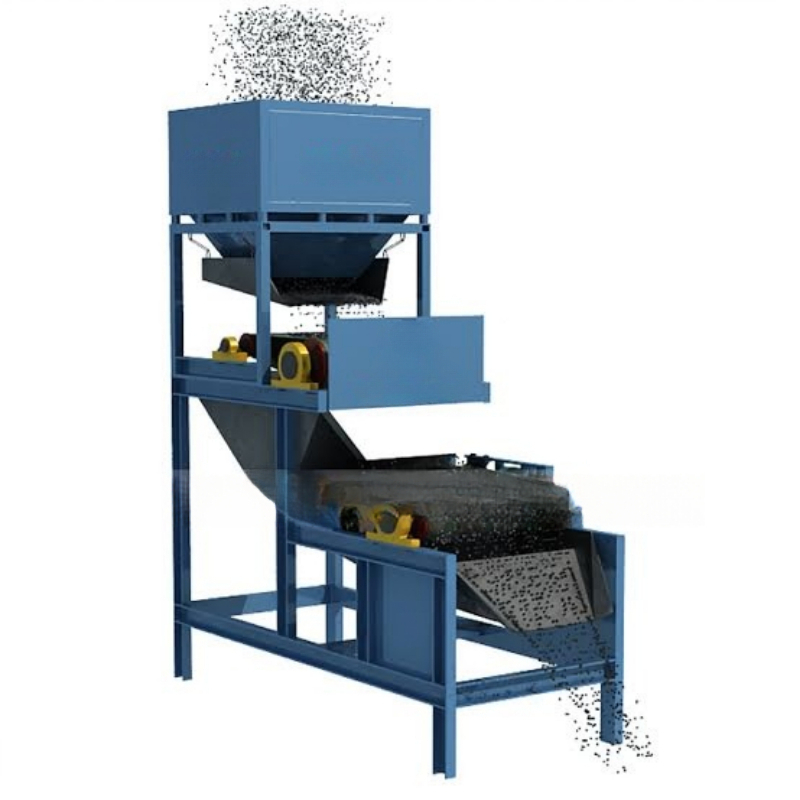
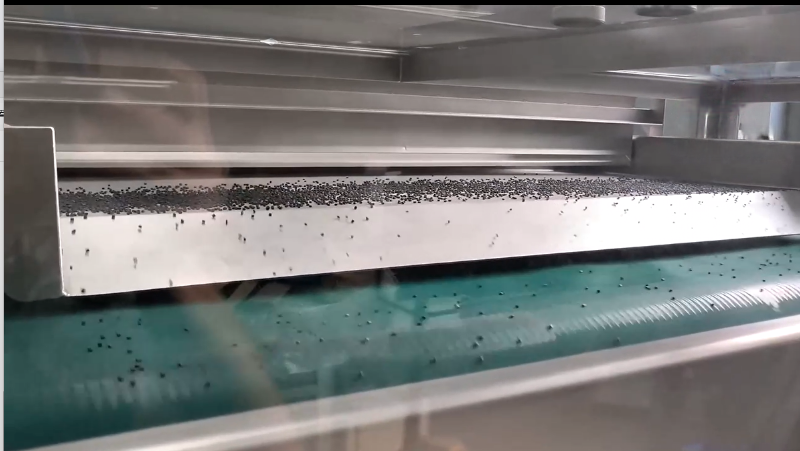
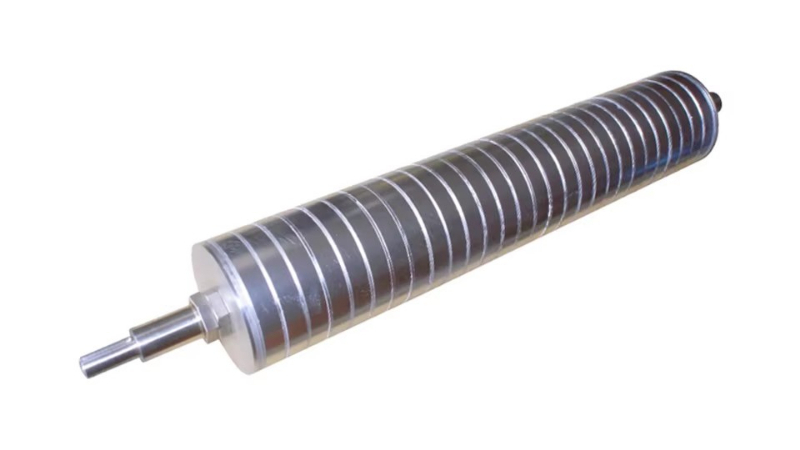
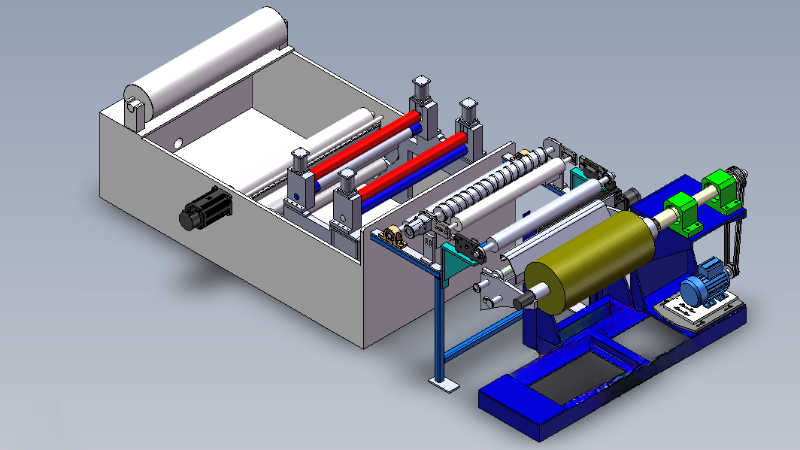
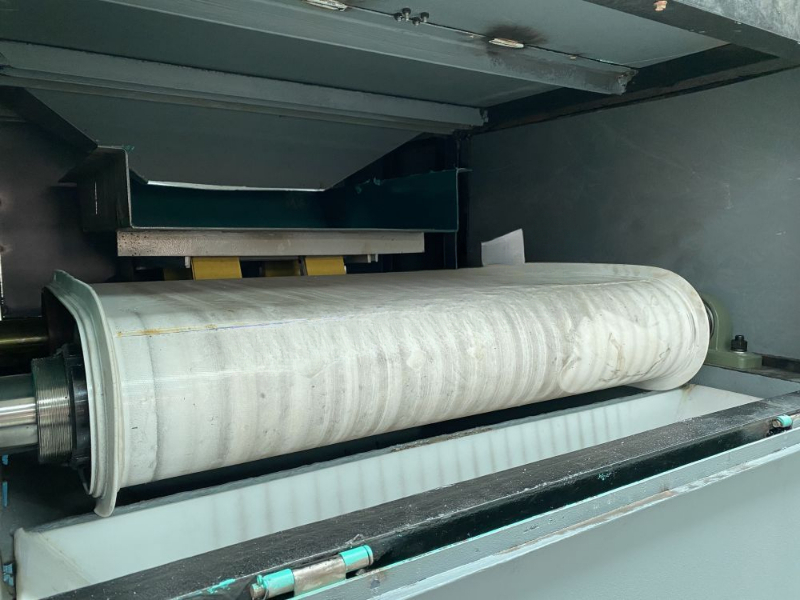
Structural and Principle Diagrams
The following materials present the company’s accumulated data on equipment internal structures, component configurations, and operating principles, serving as an aid to understanding the technical points discussed herein. Actual structures and parameters shall be governed by project drawings, sample testing, and selection-confirmation results.
No comments yet. You are welcome to share your thoughts.