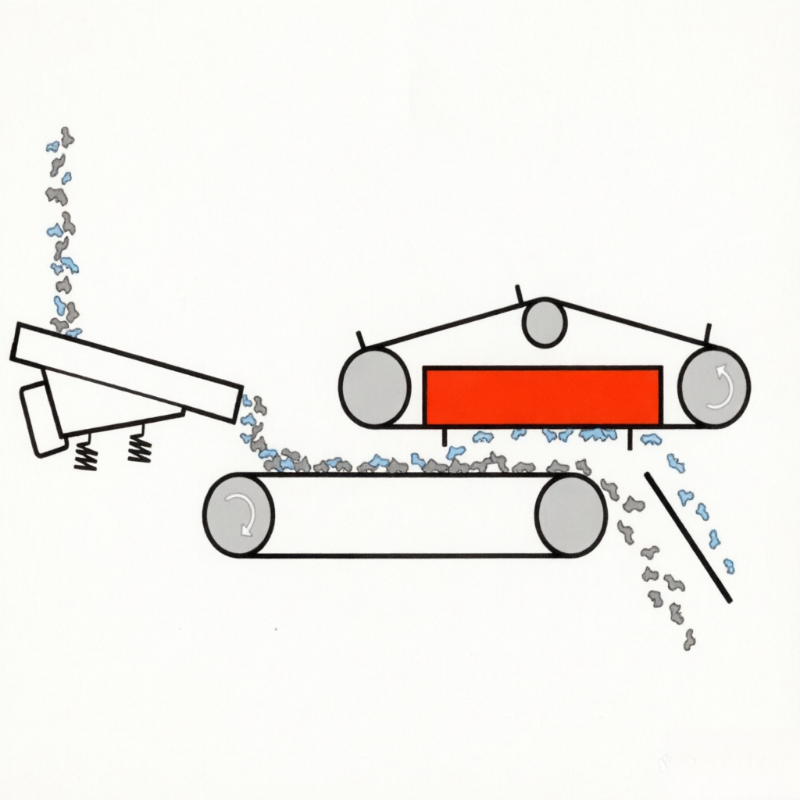
Suspended electromagnets generate a magnetic field through coil excitation. Compared with permanent-magnet designs, they can be engineered for larger sizes and greater working distances, and they facilitate demagnetization during power outages; however, this also introduces additional requirements related to the power supply, temperature rise, insulation, and control systems.
First, confirm the duty cycle
Continuous, intermittent, and short‑time operations require different coil temperature‑rise designs. When production lines cannot be shut down at will, the continuous operating capability should be verified based on the actual ambient temperature, dust levels, and ventilation conditions.
Heat Dissipation and Insulation
Natural cooling, forced air cooling, or oil‑cooled configurations each have their own maintenance requirements. If the heat‑dissipation passages become clogged with dust, the temperature rise will increase; moreover, insulation aging is closely linked to temperature, so temperature monitoring, alarm systems, and regular inspections are essential.
Power Supply and Interlocks
The available power capacity, the location of the rectifier control cabinet, cable routing, and grounding arrangements should all be verified. Magnetic separators are typically interlocked with conveyor belts, iron‑removal mechanisms, and fault alarms to prevent upstream feeding from continuing while the equipment is stopped.
Magnetic fields remain subject to operational constraints
Even with an electromagnetic design, material layer thickness, belt speed, ferrous object size, and working distance still determine the difficulty of ferrous contaminant removal. Equipment selection should be based on complete conveying parameters, and on‑site or simulated validation using representative target objects is recommended.
Information to prepare before requesting a quote or conducting a trial run
- Belt and material parameters, target ferrous object dimensions
- Available power supply, ambient temperature, and dust conditions
- Continuous or intermittent duty cycle
- Iron‑removal method, interlocks, and maintenance clearance
Note:This document is intended to organize common engineering considerations and does not replace the technical confirmation required for specific materials, throughput, interfaces, safety, and cleaning conditions.
Structural and Principle Diagrams
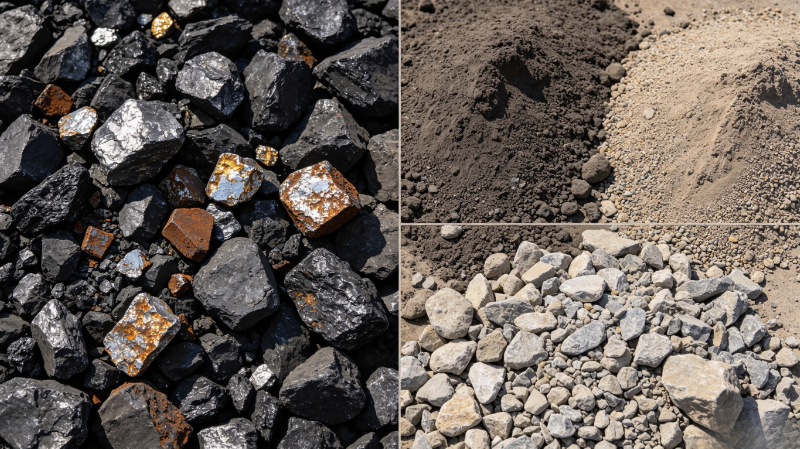
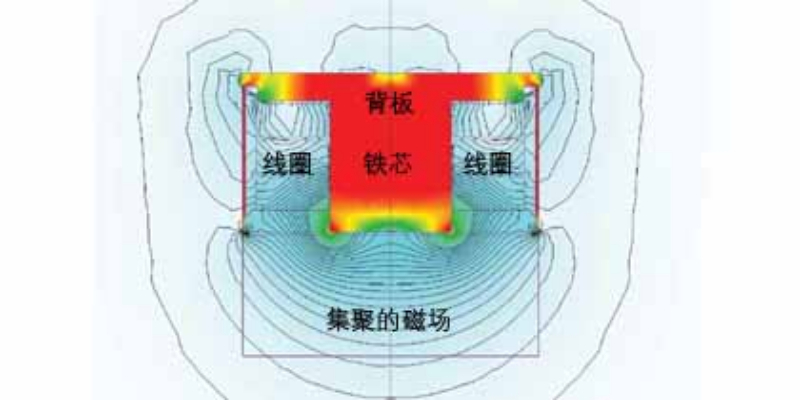
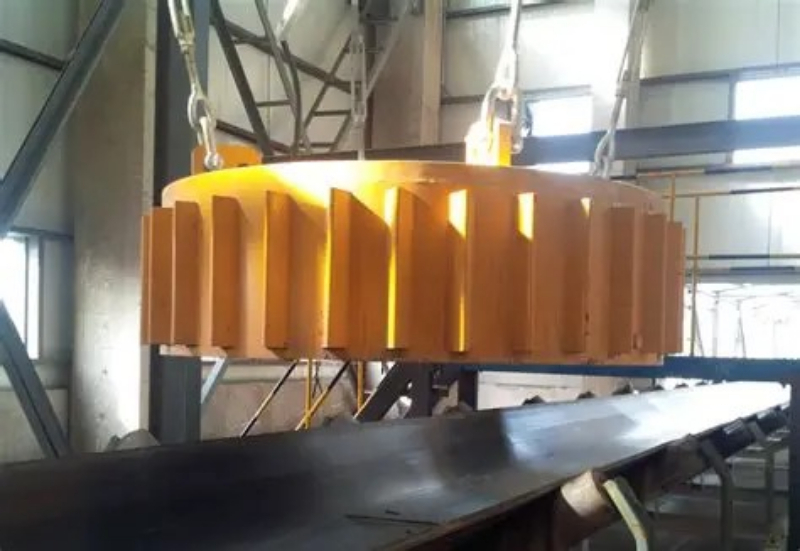
The following are the company’s accumulated data on equipment internal structures, components, and operating principles, intended to aid in understanding the technical points discussed herein. The actual structure and parameters shall be governed by project drawings, sample testing, and selection confirmation results.
No comments yet. You are welcome to share your thoughts.