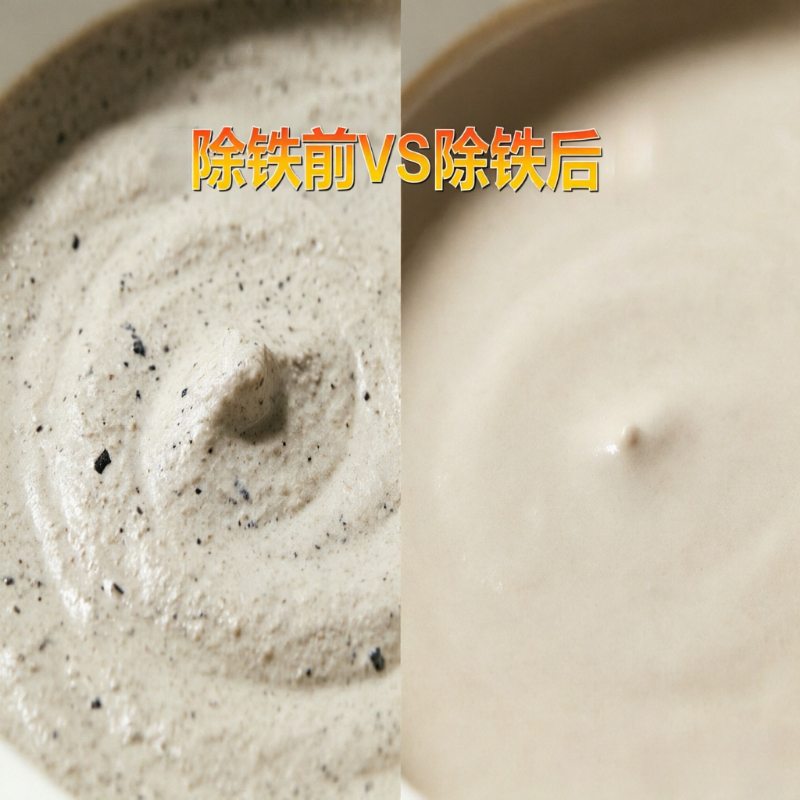
High-purity slurry projects often seek to minimize manual disassembly and cleaning, integrating ferrous contaminant removal into automated processes. True automation goes beyond the automatic withdrawal of magnetic rods; it requires interlocks across processing, isolation, drainage, rinsing, and production resumption to reduce the risk of cross-contamination or unintended material bypass.
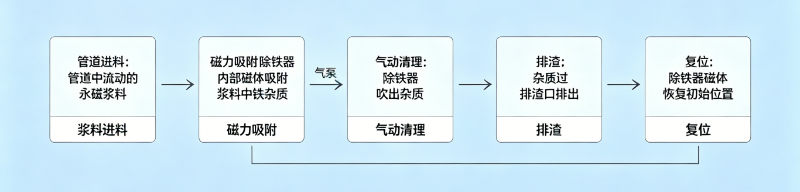
Processing Phase
Maintain stable flow rates and ensure thorough mixing, while monitoring pressure or differential pressure. If a recirculation process is employed, specify tank agitation, suction and return positions, and the target number of recirculation cycles to prevent local short-circuiting.
Isolation and Drainage
Before cleaning, close the material valves and confirm that no further feed is entering, then switch to the drainage line. After releasing the magnetically captured contaminants, ensure they are carried away by an adequate rinsing flow, and verify that the drainage container or pipeline is available.
Resuming Production
Once rinsing is complete, purge any residual liquid, return the magnetic assembly and valves to their operating positions, and confirm this via position feedback. For processes where moisture or cleaning agents must not enter the product, additional purging, displacement, or isolation of the initial batch is required.
Validation Should Not Rely on a Single Sample
Instead, compare inlet and outlet samples by batch or run duration, recording processed volume, differential pressure, cleaning frequency, discharged material, and product loss. Only when results are reproducible under representative material variations can a formal procedure be established.
Recommended Information to Prepare Before Inquiries or Material Trials
- Slurry composition, solids content, viscosity, and temperature
- Batch or continuous flow rate, system pressure, and recirculation method
- Cleaning media, drainage destination, and permissible residue levels
- Testing items, sampling points, and acceptance criteria
Note:This document is intended to organize common engineering considerations and does not replace technical confirmation tailored to specific materials, throughput, interfaces, safety requirements, and cleaning conditions.
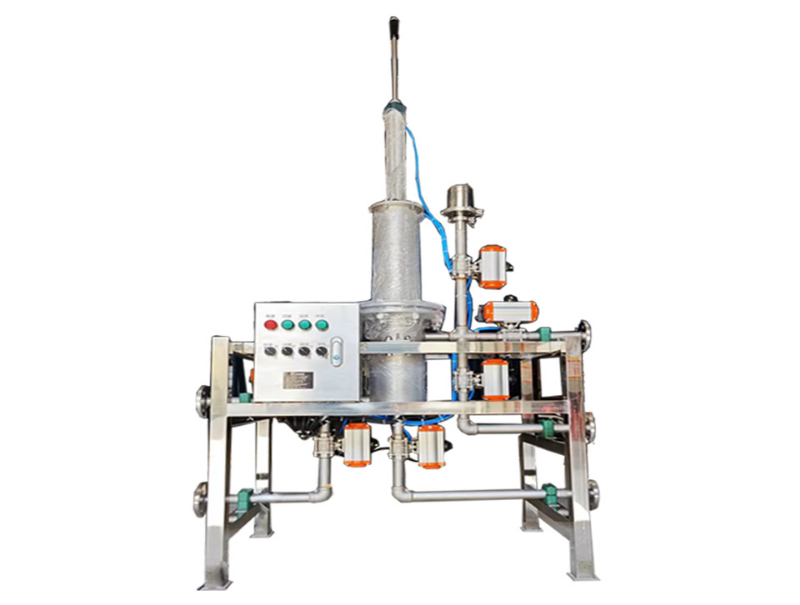
Structural and Principle Diagrams
The following materials present the company’s accumulated data on equipment internal structures, components, and operating principles, serving as an aid to understanding the technical points discussed herein. Actual structure and parameters shall be governed by project drawings, sample testing, and selection confirmation results.
No comments yet. You are welcome to share your thoughts.