
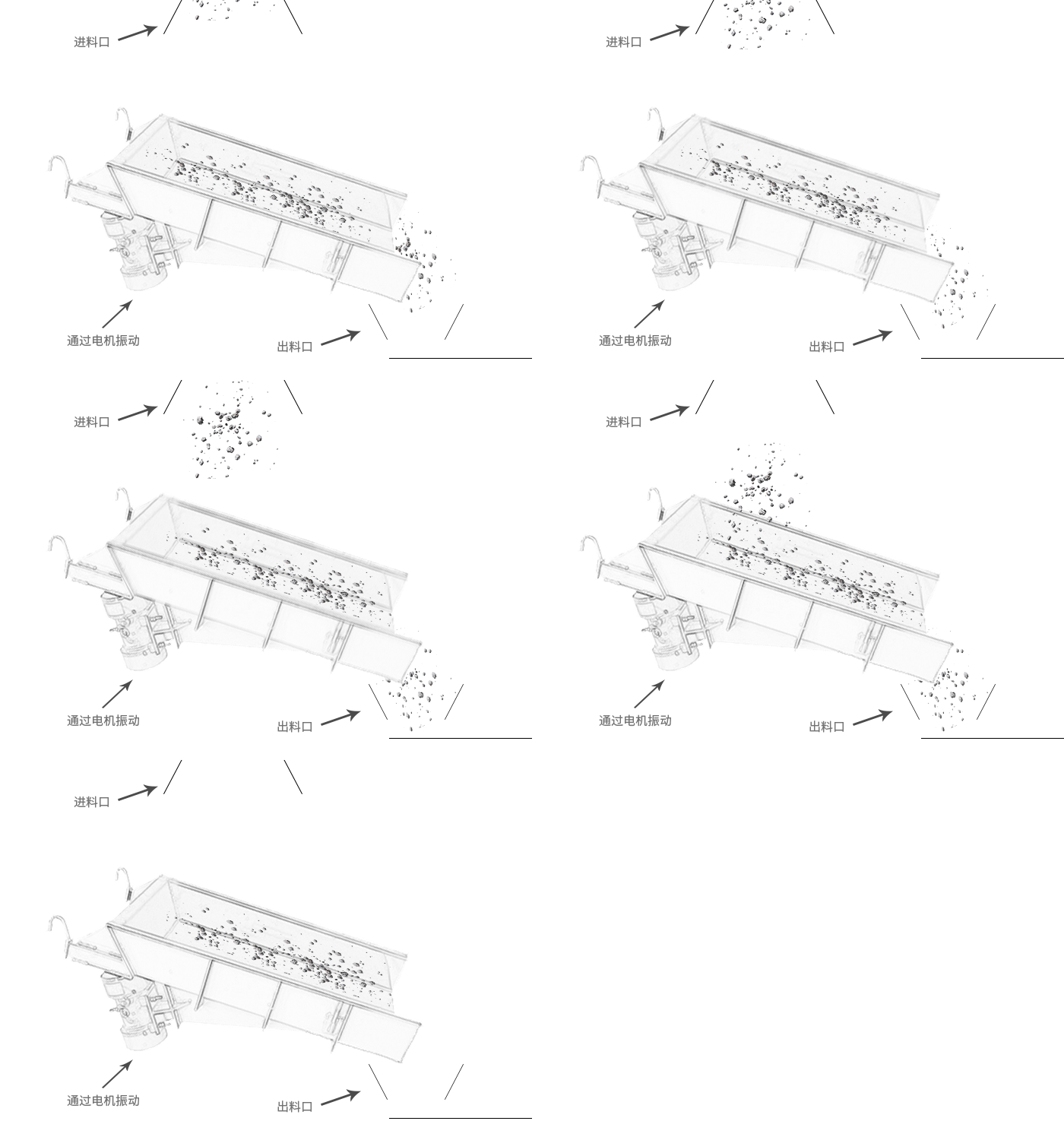
The task of a feeder is not merely to “convey the material”; rather, it delivers material from the hopper to the magnetic separator, crusher, screening machine, or packaging equipment at a predictable flow rate. The drive configuration must be matched to the load, adjustment requirements, and site-specific structural constraints.
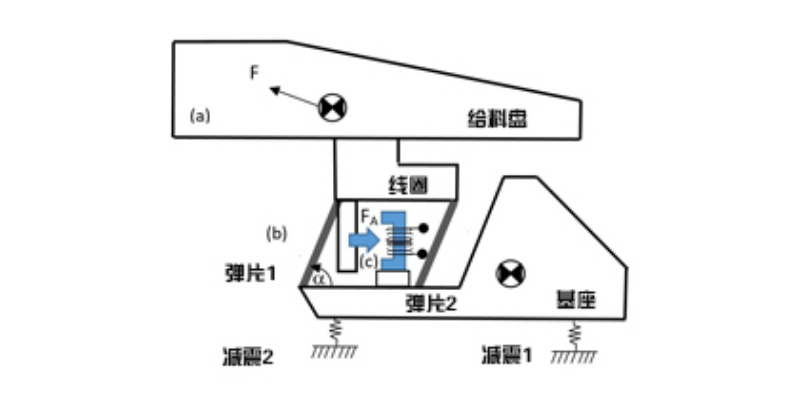
Electromagnetic Vibratory Feeder
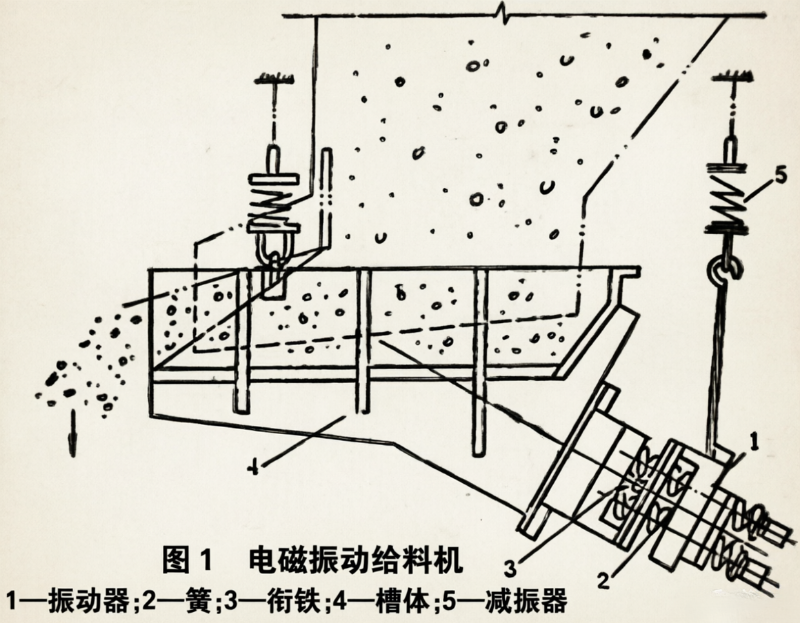
Electromagnetic drives offer rapid response and allow amplitude adjustment via a controller, making them well suited for powder and granular applications that require frequent start–stop cycles or finer control. Its feeding capacity is influenced by the trough, spring system, and hopper pressure, and installation and commissioning must ensure proper clearances and operating points.
Motor-Vibrated Feeder
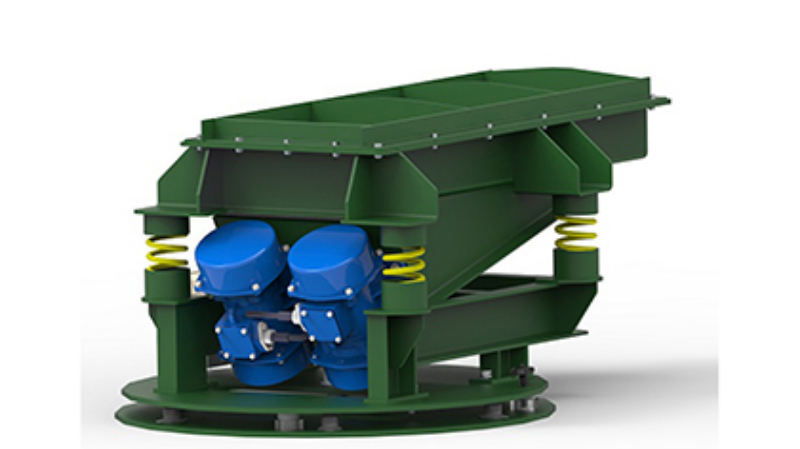
Vibration motors feature an easy-to-evaluate structure, ideal for larger troughs, heavier materials, and higher impact loads. Flow rate is typically regulated by frequency conversion, gates, or eccentric block settings; during selection, attention should be paid to starting torque, structural strength, and foundation vibration.
Heavy-Duty Electromagnetic Design
In certain heavy-load applications, specialized electromagnetic designs may also be employed; however, performance should not be judged solely on the nameplate. Instead, verify the effective trough width, trough length, allowable material layer thickness, hopper pressure, maximum lump size, and actual handling capacity.
Matching Downstream Equipment
Magnetic separation and eddy current sorting systems generally require a uniform, thin material layer, whereas crushers at the front end prioritize continuous feed and impact resistance. The rated capacity of the feeder should allow sufficient adjustment margin while avoiding oversizing, which could lead to long-term inefficient operation.
Recommended Information to Prepare Before Inquiries or Sample Testing
- Material particle size, bulk density, moisture content, and flowability
- Normal, minimum, and peak feed rates
- Hopper outlet dimensions, hopper pressure, trough length, and installation angle
- Downstream equipment requirements for uniformity and adjustment range
Note:This document is intended to summarize common engineering considerations and does not replace technical confirmation tailored to specific materials, production capacities, interface conditions, safety requirements, and cleaning protocols.
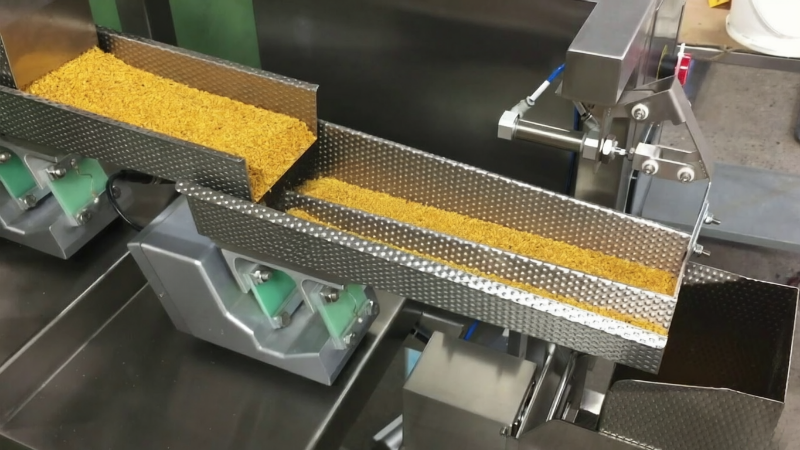
Structural and Principle Diagrams
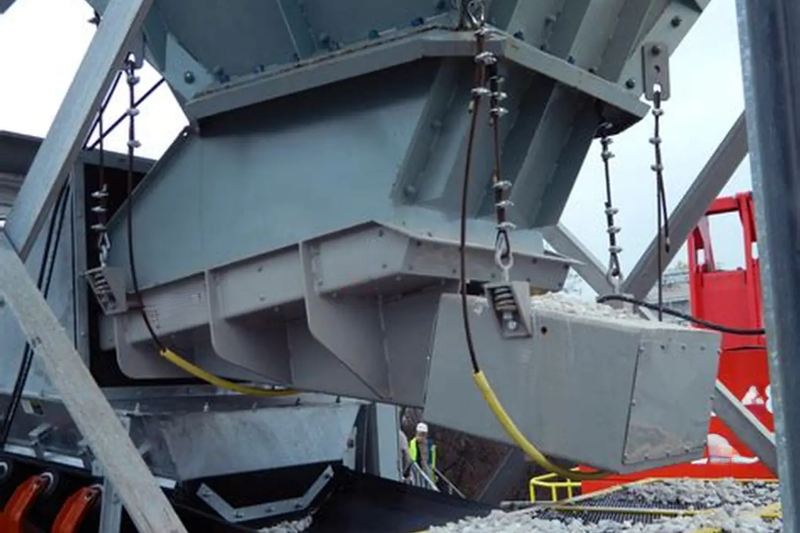
The following are internal structural, component, and operational principle data compiled by the company, provided to aid in understanding the technical points discussed herein. Actual structures and parameters shall be subject to project drawings, sample testing, and final selection confirmations.


No comments yet. You are welcome to share your thoughts.