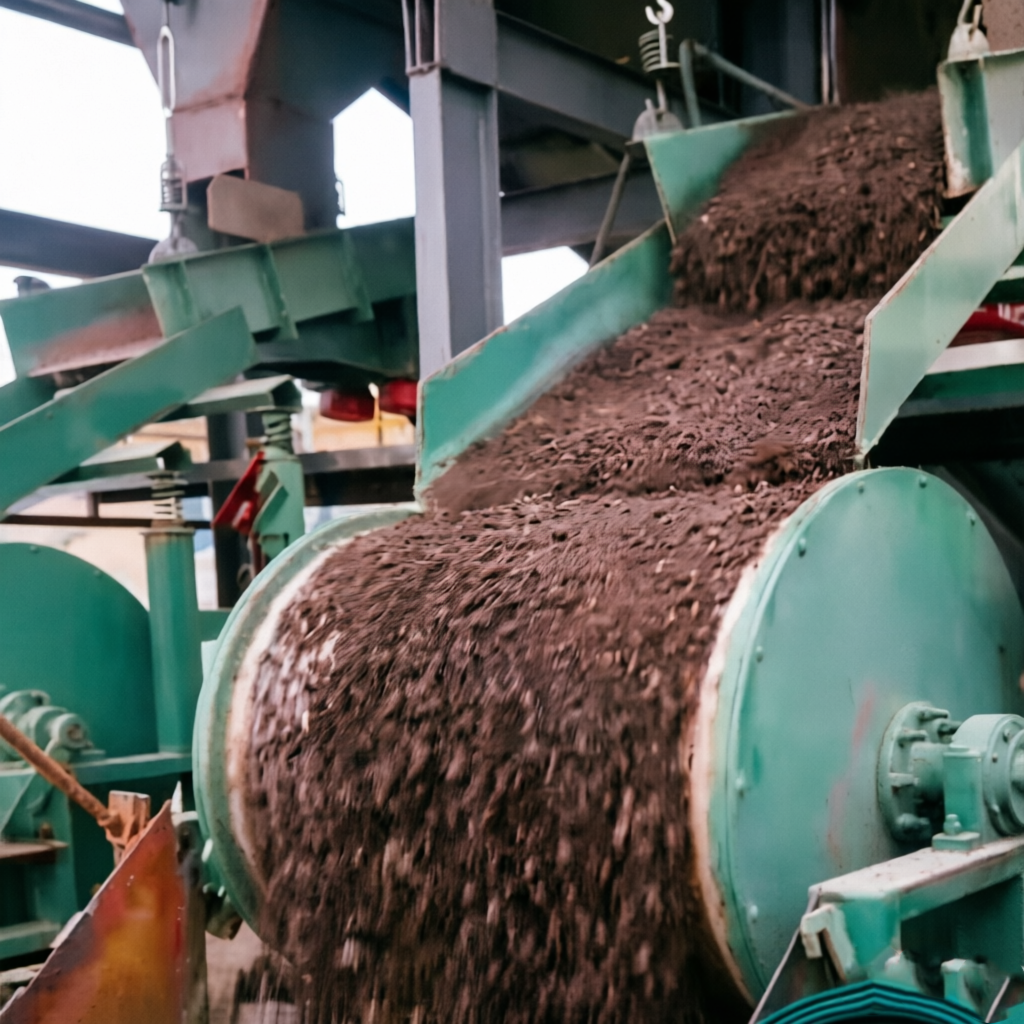
Customers often refer to magnetic head pulleys, high-intensity magnetic drums, and drum magnetic separators collectively as “magnetic drums.” In engineering practice, it is essential to first distinguish whether the device is a magnetic component replacing the head pulley of a belt conveyor or a complete unit with independent feeding and material separation controls.
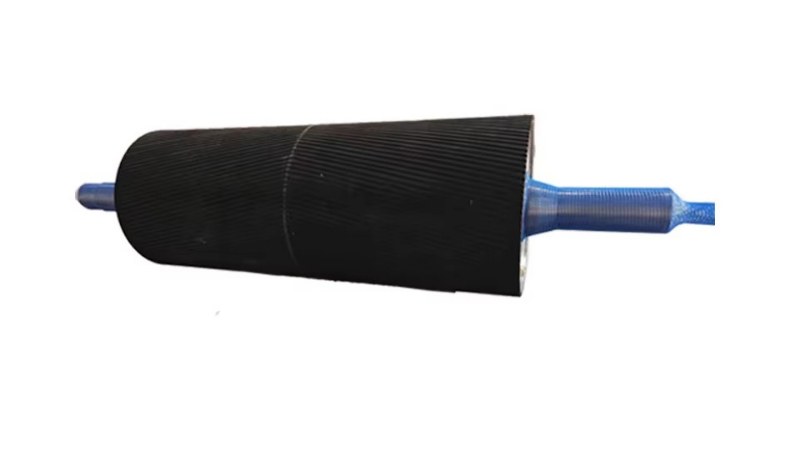
Magnetic Head Pulley
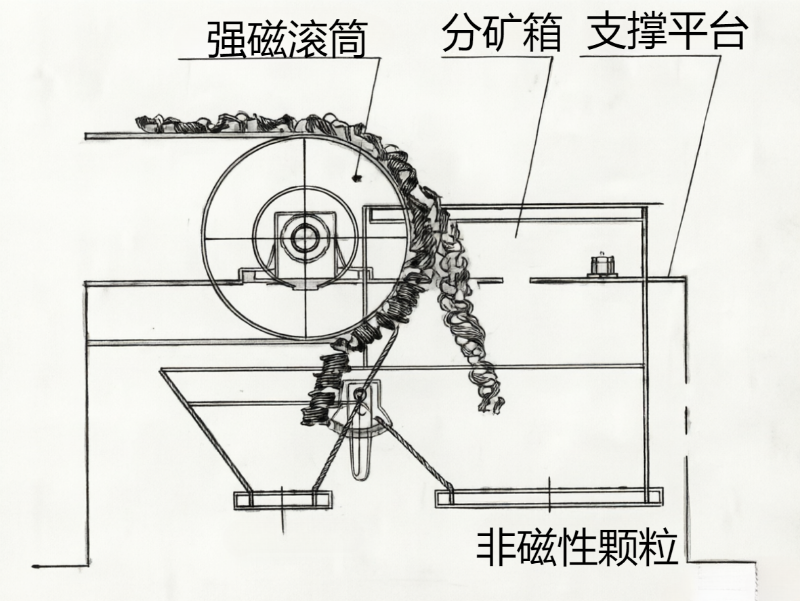
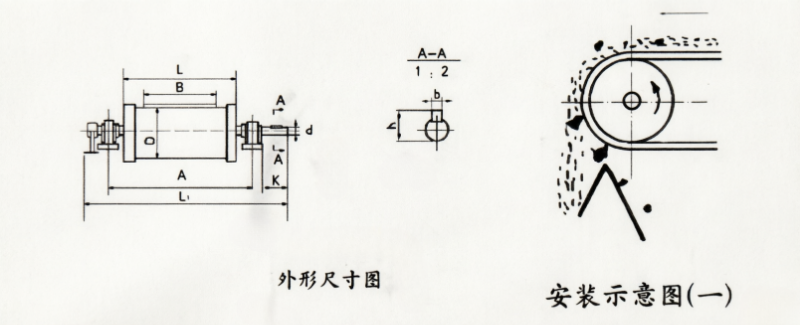
Magnetic head pulleys are typically installed at the discharge end of a belt conveyor. Ferromagnetic materials are adsorbed by the drum and carried along with the belt; as they reach a region of reduced magnetic field strength, they drop off, while non-magnetic materials leave the belt earlier along their normal parabolic trajectory. This compact design makes it well suited for continuous pre-separation and equipment protection.
Drum Magnetic Separator
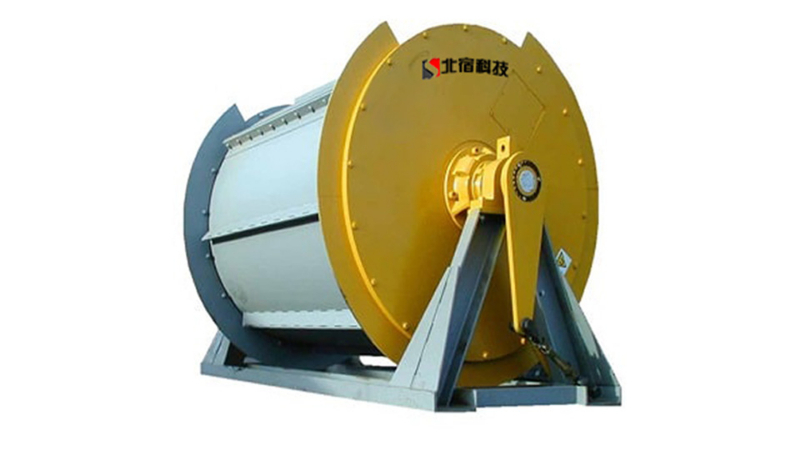
A complete magnetic separator usually comprises a frame, a feeding system, a drum or cylinder, a fixed or adjustable magnetic assembly, a material-dividing plate, and a protective enclosure. It offers greater control over the feed layer thickness, drum rotational speed, and product boundary, making it ideal for applications requiring clear separation of magnetic and non-magnetic product streams.
What to Consider When Selecting
If the primary goal is to intercept large ferrous objects and protect downstream equipment, priority should be given to magnetic head pulleys or suspended iron removers. For applications focused on recovering ferromagnetic materials and enhancing separation purity, attention should be paid to the feeder’s uniformity, the effective magnetic zone, the drum speed, and the adjustability of the material-dividing mechanism.
Material-Specific Conditions That Cannot Be Overlooked
Particle size, moisture content, feed layer thickness, and the degree of liberation of the target particles all directly influence the outcome. When the target metal remains entrapped within non-magnetic material, simply increasing the magnetic field strength cannot substitute for crushing and liberation.
Information Recommended for Preparation Before Inquiry or Sample Testing
- Feed composition, particle size, and moisture content
- Whether the objective is equipment protection, recovery efficiency, or product purity
- Throughput, belt width, and belt speed
- Available drop height, material-dividing space, and subsequent product streams
Note:This document is intended to provide guidance for common engineering assessments and does not replace technical confirmation tailored to specific materials, production capacity, interface requirements, safety considerations, and cleaning conditions.
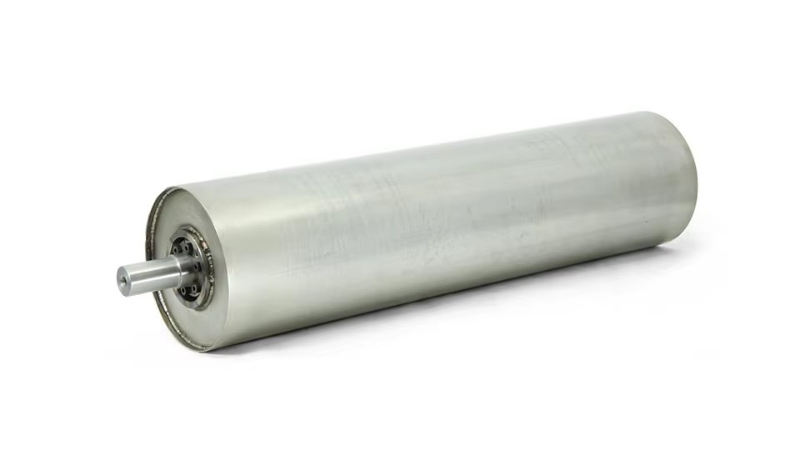
Structural and Principle Diagrams
The following materials present the company’s accumulated data on equipment internal structures, components, and operating principles, serving as an aid to understanding the technical points discussed herein. Actual structure and parameters shall be subject to project drawings, sample testing, and selection confirmation results.

No comments yet. You are welcome to share your thoughts.