Magnetic Rods
High-Intensity Magnetic Rod
OVERVIEW
Product Overview
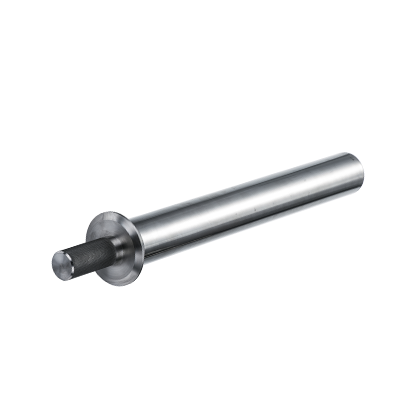
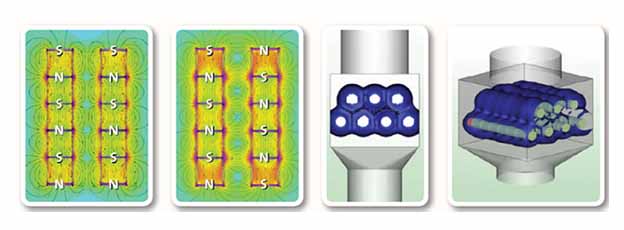
The magnetic rod features a high-performance NdFeB magnetic core, generating a strong static magnetic field around the rod’s exterior. As ferromagnetic contaminants‑laden powders or granular materials pass over the surface of the magnetic rod, ferromagnetic particles are rapidly attracted and firmly adhered to the stainless steel outer tube. As the material continues to flow, the cleaned product is conveyed downstream, achieving effective separation of magnetic impurities from the bulk material. Periodic removal of the accumulated contaminants on the rod’s surface restores its ferrous contaminant removal efficiency.
Features and Advantages
- Ultra‑strong magnetic adsorption: Utilizing NdFeB permanent magnet material, the magnetic field strength reaches 12,000–15,000 gauss, effectively capturing micron‑sized iron powder and weakly magnetic impurities.
- Sealed structural design: All‑stainless steel welded and sealed construction ensures corrosion resistance and prevents dust contamination, making it suitable for demanding operating environments.
- Stability and durability: The magnetic core remains stable over time, with minimal demagnetization, offering a long service life ideal for continuous production applications.
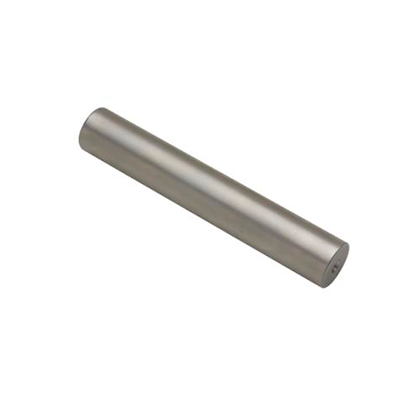
- Diverse configurations: Available in cylindrical, bar‑shaped, and other specifications, customizable to suit equipment architecture and installation space constraints.
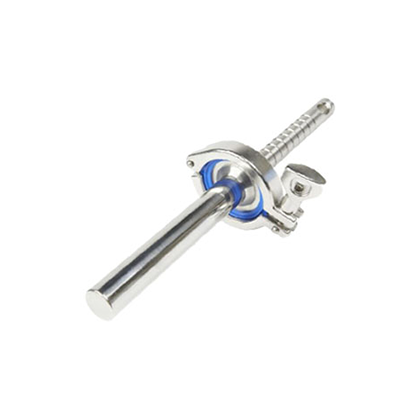
- Flexible installation: Supports multiple mounting methods, including threaded fixation, flange mounting, and pull‑out designs, facilitating seamless equipment integration.
Optional Configurations
- Magnetic field strength options: 6,000 GS, 12,000 GS, 14,000 GS, 15,000 GS
- Magnetic core material options: High‑performance NdFeB permanent magnet
- Structural form options: Cylindrical magnetic rods, threaded‑mount magnetic rods, eyelet‑type magnetic rods, custom‑shaped magnetic rods
- Material and surface options: SUS304 stainless steel / SUS316L stainless steel; mirror polish / satin finish
Applications
- Plastics industry: Ferrous contaminant removal during conveying and blending processes, effectively eliminating metal chips, screws, and other impurities to prevent damage to screws and molds.
- Food industry: Iron removal and purification in conveying lines and processing stages, removing fine metallic contaminants to ensure food safety and hygiene.
- Chemical industry: Iron removal during conveying and mixing operations, reducing the impact of fine ferromagnetic impurities on product stability.
- Lithium‑ion battery industry: Fine powder deironing, removing trace ferromagnetic impurities to enhance material purity and electrochemical performance stability.
- Mineral powder and building materials: Purification and iron removal in powder processing, eliminating fine iron contaminants to improve product whiteness and purity.
- Pharmaceutical industry: Iron removal during conveying and manufacturing processes, eliminating minute metallic impurities to meet stringent cleanroom production standards.
Handled Materials
- Powdered materials: Flour, starch, milk powder, graphite powder, calcium carbonate, talc powder, lithium‑ion battery active material powders, etc.
- Granular materials: Plastic pellets, resin pellets, color masterbatches, recycled plastic granules, etc.
- Dry bulk materials: Free‑flowing products such as grains, feed pellets, and chemical granules.
SPECIFICATIONS
Specifications
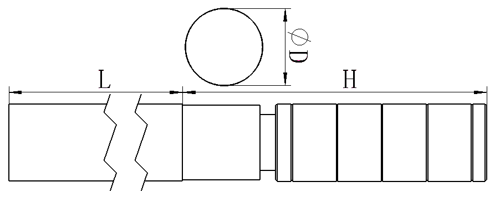
Model | Dimensions | Temperature Resistance | Field Strength | Diameter | ||
Length L | ||||||
(mm) | (in) | ℃ | GS | (mm) | (in) | |
GC-1.2T-φ24.8x200 | 200 | 8 | 65℃ | 12000 | Standard diameter: 24.8 | Standard Diameter:1 |
GC-1.2T-φ24.8x300 | 300 | 12 | 12000 | |||
GC-1.2T-φ24.8x400 | 400 | 16 | 12000 | |||
GC-1.2T-φ24.8x500 | 500 | 20 | 12000 | |||
GC-1.4T-φ24.8x200 | 200 | 8 | 14000 | |||
GC-1.4T-φ24.8x400 | 400 | 16 | 14000 | |||
GC-1.4T-φ24.8x500 | 500 | 20 | 14000 | |||
DOWNLOADS
Downloads
DISCUSS YOUR APPLICATION
Unsure whether this product fits your material?
Share your material, capacity, temperature and contaminant details, and we will help you evaluate the next step.