Plate Magnets
Self-Cleaning Plate Housing Magnet
OVERVIEW
Product Overview
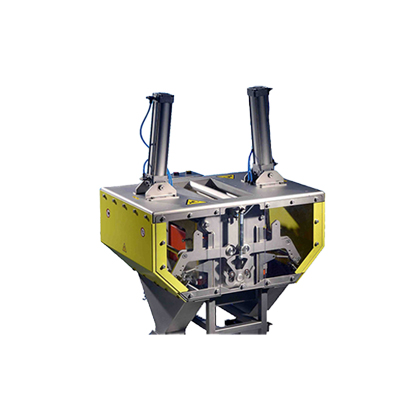
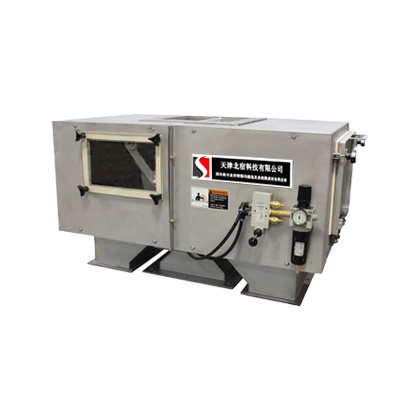
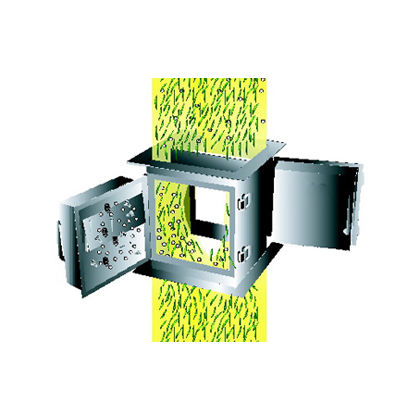
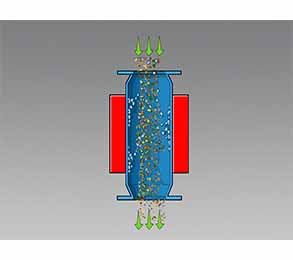
After the material enters the equipment through a pipeline, the built-in plate magnet generates a stable, high-intensity magnetic field. As the material passes through this field, ferromagnetic contaminants are rapidly adsorbed onto the surface of the magnet, while the cleaned material continues to flow to the next process. The device can automatically activate its cleaning mechanism according to a preset schedule, using either an electric motor or a pneumatic actuator to scrape off and discharge the captured iron impurities, thereby achieving continuous online ferrous contaminant removal without frequent shutdowns for manual cleaning.
Features and Advantages
- Automatic Iron Removal: Supports timed or continuous automatic cleaning, reducing manual maintenance and enhancing production continuity.
- High-Intensity Magnetic Separation: Employs high-performance NdFeB magnets with a stable magnetic field, effectively capturing fine iron particles and weakly magnetic impurities.
- Continuous Operation: Iron removal is performed without stopping the machine, meeting the continuous-operation requirements of automated production lines.
- Anti-Clogging Design: A special flow-guidance and magnet arrangement minimizes material accumulation, bridging, and blockages.
- Sealed, Contamination‑Proof Construction: Fully enclosed stainless‑steel structure prevents dust leakage and secondary contamination of materials.
- Low-Energy Operation: The permanent-magnet system requires no electrical excitation; only the automatic cleaning mechanism consumes a small amount of power.
- Durable and Reliable: The material-contact parts are made of SUS304 or 316L stainless steel, offering corrosion resistance, easy cleaning, and long service life.
Optional Configurations
- Magnetic System Options: High-strength NdFeB magnetic assembly; high-temperature magnetic assembly (80°C–350°C available)
- Automatic Cleaning Methods: Motor‑actuated iron removal; pneumatic‑actuated iron removal
- Material Options: SUS304 stainless steel; SUS316L stainless steel (food‑grade and pharmaceutical‑grade)
- Surface Treatments: Mirror polishing; brushed finish
- Control Systems: Timed automatic cleaning control; PLC‑interlocked automatic control
- Customizable Structures: Non‑standard dimension customization; flange interface customization; pipeline connection method customization; magnetic field strength customization
Applications
- Plastics Industry: Ferrous contaminant removal during conveying and blending to prevent iron impurities from compromising product quality and injection‑molding equipment performance
- Lithium‑Ion Battery and New Energy Industries: Fine powder iron removal to enhance material purity and battery performance
- Mineral Powder and Building Materials Industries: Purification and iron removal in powder processing to improve product whiteness and quality
- Pharmaceutical Industry: Metal impurity separation during material conveyance to meet clean‑production standards
- Food Industry: Iron removal and purification in raw material handling and processing to enhance product safety and cleanliness
- Chemical Industry: Iron removal during conveying and blending to minimize the impact of metallic impurities on product quality
Applicable Materials
- Powders: Dry powders and ultrafine particulates such as flour, milk powder, starch, powdered sugar, graphite powder, calcium carbonate, kaolin, talc powder, quartz powder, etc.
- Granules: Plastic pellets, color masterbatches, resin granules, engineering plastics, recycled plastics, feed pellets, cereal grains, and other granular and small‑particle materials
- Chemical Raw Materials: Resins, pigments, flame retardants, additives, catalysts, electronic‑material powders, and other chemical and advanced‑material products
- Food Raw Materials: Food‑grade materials such as flour, starch, seasonings, powdered sugar, milk powder, cocoa powder, for iron removal and purification
- New Energy Materials: Lithium‑ion battery cathode and anode materials, graphite powder, conductive agents, ternary materials, lithium iron phosphate, and other new energy powder products
- Mineral Powders: Quartz sand, quartz powder, kaolin, feldspar powder, silica micro‑powder, mica powder, and other non‑metallic mineral materials
- Lightweight Materials: Wood chips, fiber powders, lightweight granules, recycled dust, and other low‑density, freely flowing materials
SPECIFICATIONS
Specifications
| Model Model | Dimensions | ||
| ΦA | Capacity Handling capacity | ||
| (mm) | (in) | (m3/h) | |
| PAEJ-RP-D150 | φ150 | 6 | 30 |
| PAEJ-RP-D200 | φ200 | 8 | 75 |
| PAEJ-RP-D250 | φ250 | 10 | 100 |
| PAEJ-RP-D300 | φ300 | 12 | 150 |
DOWNLOADS
Downloads
DISCUSS YOUR APPLICATION
Unsure whether this product fits your material?
Share your material, capacity, temperature and contaminant details, and we will help you evaluate the next step.